Only 9% of women eat enough fiber. The fix costs about 14 cents a serving.
Beans, lentils, oats and berries are the cheapest way to feel full longer. Here are grams per serving, real prices and a simple high-fiber day.
The short answer: High fiber foods like beans, lentils, oats, berries and seeds may help you feel full longer, and they are some of the cheapest foods in the store. Most women under 50 need about 25 grams of fiber a day. Yet the average American eats about 16. A half cup of cooked beans alone adds about 7 grams.
It’s 10:30 AM. You ate breakfast at 7, and you’re already circling the snack drawer. Sound familiar? So here’s the thing: it may not be your willpower. Often, breakfast just didn’t have much staying power. That’s exactly where high fiber foods come in.
Also, you’re far from alone. In a large U.S. study presented at NUTRITION 2021, only about 9% of women ate enough fiber. That means most of us fall short. The good news? Closing the gap doesn’t take a pricey powder. Instead, it takes a bag of beans, a jar of oats and a little planning.
Why do high fiber foods keep you full longer?
Fiber is the part of plant food your body can’t fully break down. So it moves through slowly. It adds bulk to a meal without adding many calories. Plus, soluble fiber (found in oats, beans, apples and chia) soaks up water and forms a soft gel. That gel may slow how fast your stomach empties.
As a result, you may feel satisfied longer, and your energy may stay more steady between meals. Fiber-rich meals also take longer to chew. That gives your brain a few extra minutes to notice you’ve had enough.
But that’s not all. Fiber feeds the helpful bacteria in your gut, and it may help keep you regular. Research also links eating more fiber with better heart health over time. In other words, it’s one of the simplest upgrades you can make.
How much fiber do you actually need?
The Dietary Guidelines suggest about 14 grams of fiber for every 1,000 calories you eat. For most women, that works out to roughly 25 grams a day under age 50 and about 21 grams after 50. Meanwhile, the average American eats about 16.
So most of us need around 10 more grams a day. That sounds like a lot. However, it’s really just half a cup of lentils and a pear. Two small changes can close most of the gap.
The cheapest high fiber foods, with grams per serving
Here is the short list. These are whole foods, they keep for months in the pantry or freezer, and most cost well under a dollar per serving. The fiber numbers below come from the Mayo Clinic chart of high-fiber foods.
- Split peas, 1 cup cooked: about 16 g. No soaking, and they cook in about 30 to 45 minutes.
- Lentils, 1 cup cooked: about 15.5 g. No soaking, and red lentils soften in about 20 minutes.
- Black beans, 1 cup cooked: about 15 g. Cook a pot on Sunday and use it all week.
- Chia seeds, 1 ounce (about 2 tablespoons): about 10 g.
- Raspberries, 1 cup: about 8 g. Frozen berries work too, and they often cost less.
- Pear, 1 medium with the skin: about 5.5 g.
- Rolled oats, 1/2 cup dry: about 4 g.
- Popcorn, 3 cups popped: about 3.5 g. Pop it on the stove in a spoonful of coconut oil.
Now look at the price. For example, dried beans averaged about $1.65 a pound in 2025 U.S. retail price data. One pound cooks up to roughly 12 half-cup servings. That’s about 14 cents a serving, with around 7 grams of fiber in each. It’s hard to find a better deal anywhere in the store.
If you are stretching a grocery budget, our clean eating on a budget guide builds a whole real-food week around foods like these.
Easy ways to add fiber to meals you already make
You don’t need a new menu. Instead, add one fiber food to what you already cook. Here are simple swaps that keep the flavor big:
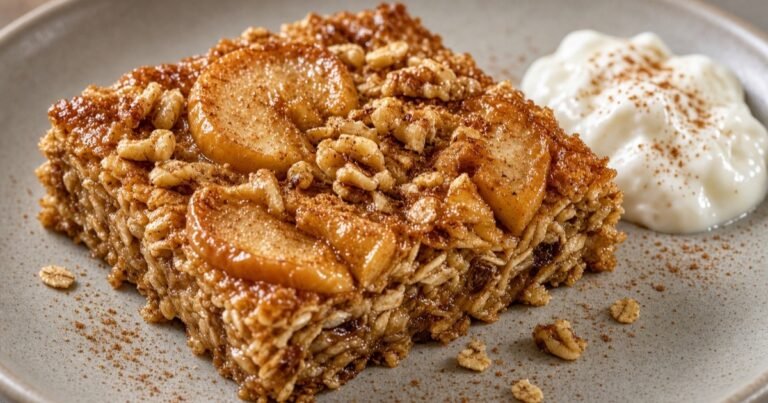
- Breakfast: stir 2 tablespoons of chia or a handful of raspberries into your oats or Greek yogurt. Or bake a pan of cinnamon apple baked oatmeal on Sunday and slice it all week.
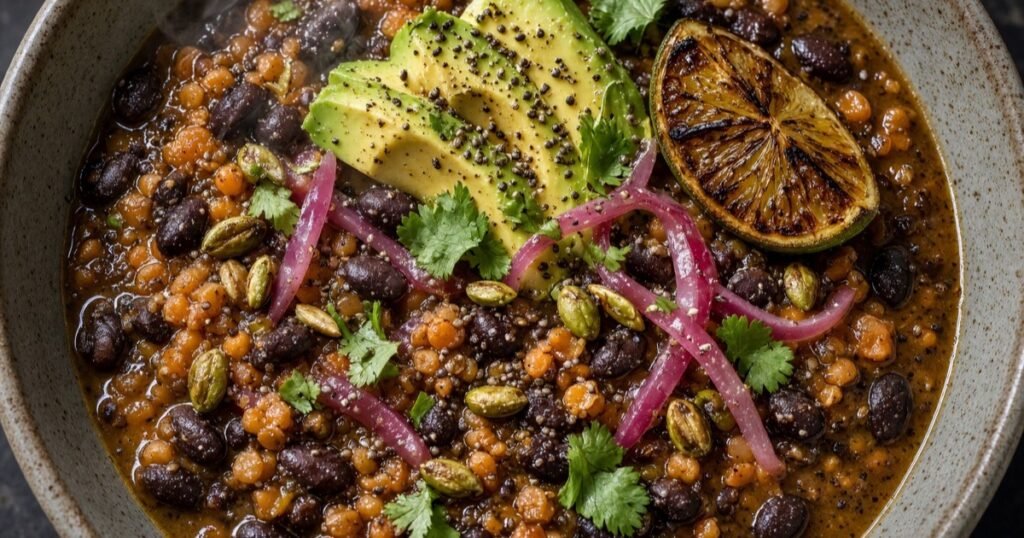
- Lunch: add a scoop of black beans to your rice bowl, or make a pot of turmeric ginger red lentil soup.
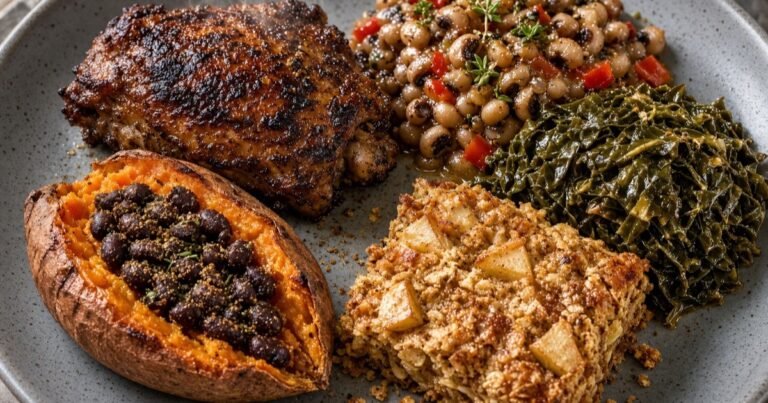
- Dinner: swap half the meat in tacos or chili for beans or lentils. Also, try a side of Creole black-eyed peas with thyme and smoked paprika.
- Potatoes: keep the skins on and pile on beans, like these loaded sweet potatoes with cumin black beans.
- Snacks: a pear with a few almonds, or stovetop popcorn tossed with smoked paprika and garlic powder.
Also, leave the peels on apples, pears and potatoes when you can. That’s where a good share of the fiber lives.
A sample high-fiber day (about 35 grams)
Here’s how the numbers add up across a normal day. Think of it as a target to work toward, not day one.
- Morning: 1/2 cup oats cooked with cinnamon, topped with 1 cup raspberries. About 12 g.
- Lunch: a big bowl of red lentil soup with about 3/4 cup lentils. About 11 g.
- Snack: 1 medium pear. About 5.5 g.
- Dinner: 1/2 cup black beans next to your chicken or fish and roasted vegetables. About 7.5 g, plus whatever the vegetables add.
That’s about 36 grams. So even a lighter version of this day gets you past 25. Plus, every meal still has room for protein, which helps you stay full too.
Go slow: how to add fiber without the bloat
Fiber is great. However, too much too fast can leave you gassy and bloated. So add about 5 grams at a time. Give your body a few days to adjust before you add more.
Next, drink water. Fiber needs fluid to move well, so a glass with each meal helps. Also, spread fiber across the day instead of loading it into one meal. Finally, season beans well. Cumin, ginger, garlic and bay leaf are classic in kitchens from Mexico to India for a reason.
If you have a gut condition such as IBS, or you take medication, check with your doctor before making big changes.
Frequently asked questions
What are the cheapest high fiber foods?
Dried beans, lentils, split peas, rolled oats and popcorn kernels top the list. Dried beans averaged about $1.65 a pound in 2025, which works out to roughly 14 cents per half-cup serving with about 7 grams of fiber.
Does fiber really help you stay full?
It may. Fiber adds bulk, slows digestion and takes longer to chew, so many people feel satisfied longer after a fiber-rich meal. Pairing fiber with protein tends to work even better.
Is 30 grams of fiber a day too much?
For most healthy women, no. Research suggests that 25 to 29 grams a day is a solid goal and a little more may be fine. Just build up slowly over a few weeks and drink plenty of water.
Do you need a fiber supplement?
Most people can reach their goal with food. Whole foods also bring vitamins, minerals and flavor that a powder can’t. If you have a gut condition or take medication, ask your doctor before changing your fiber intake a lot.
Save this for your next grocery run.
This article is for general information and is not medical or nutrition advice.