Thicker hair starts in your kitchen, not the supplement aisle.
Protein, iron, zinc, omega-3s and biotin from real food, why hair gummies mostly miss, and a simple day of eating for healthy hair.
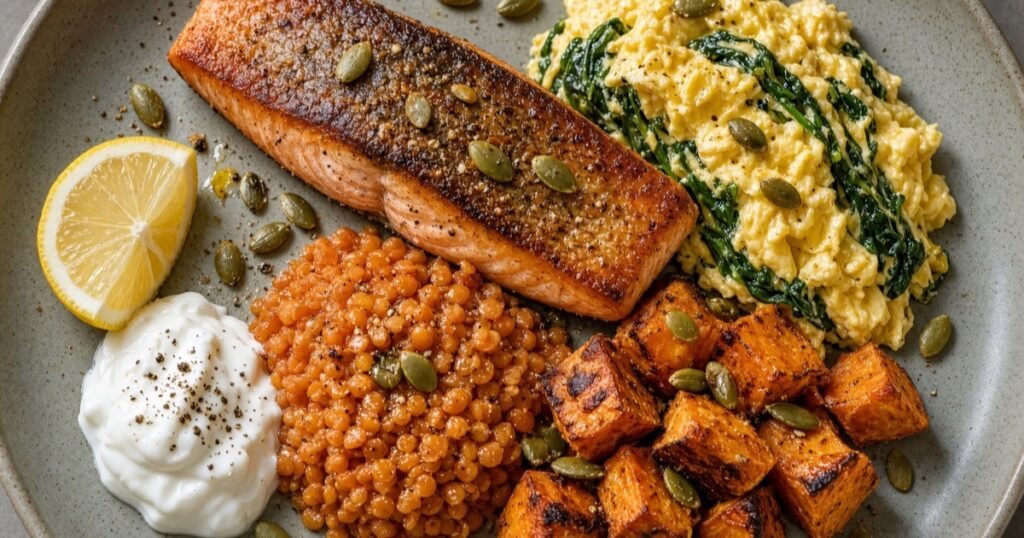
The short answer: The best foods for thicker hair are the ones that give your body protein, iron, zinc, omega-3 fats and vitamins A and B: think eggs, salmon, sardines, lentils, pumpkin seeds, spinach, sweet potatoes and Greek yogurt. For most women, these may support healthy hair better than a gummy. However, real hair loss deserves a visit to your doctor.
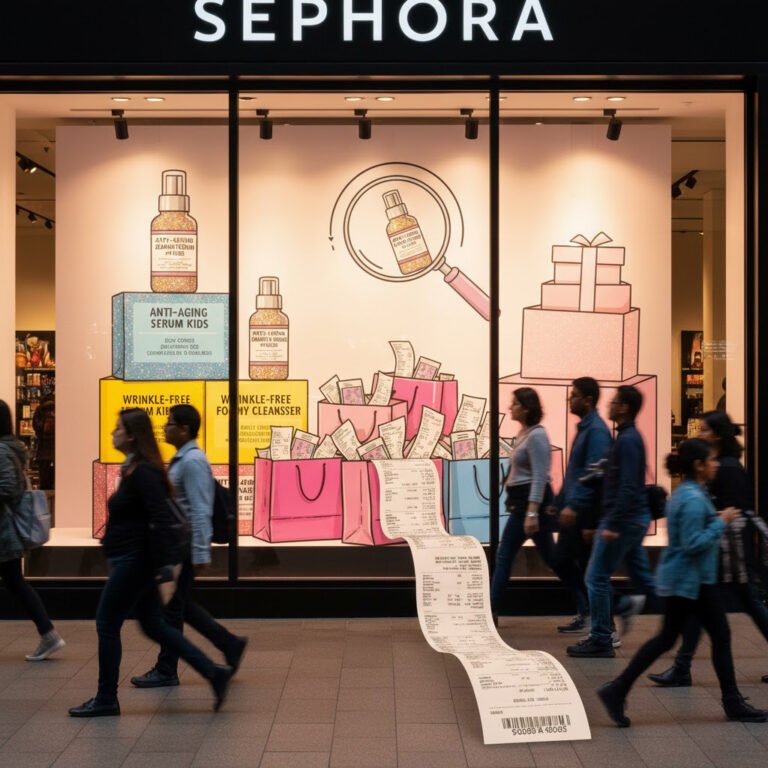
It’s October. You’re brushing your hair and there’s more in the brush than you’d like. Then your feed serves you a $40 bottle of hair gummies. Before you click buy, take a look at your plate. These foods for thicker hair are cheaper, they taste better, and they feed the rest of you too.
Here’s what your hair actually needs, why gummies mostly miss, and an easy day of eating that covers the basics.
Can food really help your hair grow thicker?
First, a quick bit of science. Each strand of hair is made mostly of keratin, which is a protein. Also, the cells at the root of your hair are some of the fastest-growing cells in your body. So they need a steady supply of protein, iron, zinc and vitamins to keep doing their job.
That’s why food matters. If you’re low on something your hair needs, eating more of it may help. On the other hand, if you already get enough, piling on extra won’t turn fine hair into a thick mane. Genetics, hormones, stress, thyroid health and age all play a big role too.
Also, many people notice a little more shedding in late summer and fall. Some research backs that up, and it usually settles on its own. Still, it’s a good season to tighten up your plate.
Why hair gummies mostly miss the mark
Most hair gummies lean on biotin. Yet according to the NIH Office of Dietary Supplements, biotin deficiency is very rare in the United States, and most people get enough from food. So if you’re not low, extra biotin probably isn’t doing much for your hair.
Plus, many hair, skin and nail supplements pack far more biotin than you need. The FDA has warned that high doses can cause false results on some lab tests, including a heart test. That’s why you should always tell your doctor if you take one.
Then there’s the sugar. Many gummies have a few grams of added sugar per serving. Instead, real food gives you biotin plus protein, fiber and a whole team of nutrients that work together.
The best foods for thicker hair
You don’t need anything fancy. These foods for thicker hair show up in regular grocery stores, and most of them are already in your kitchen:
- Eggs: protein plus biotin in the yolk. One cooked egg has about 10 mcg of biotin, a third of what adults need in a day.
- Salmon and sardines: protein, omega-3 fats and vitamin D. Sardines also bring iron and they’re budget-friendly.
- Lentils: about 18g of protein and over 6mg of iron per cooked cup. Plus, lots of fiber.
- Pumpkin seeds: zinc and iron in a small handful. Perfect for fall, too.
- Spinach and other dark greens: iron, folate and vitamin C to help your body use that iron.
- Sweet potatoes: loaded with beta-carotene, which your body turns into vitamin A.
- Greek yogurt: about 17g of protein in a 3/4 cup serving, plus a creamy base for anything savory or sweet.
Notice the theme? It’s mostly protein and minerals. That’s because those are the pieces women are most likely to run short on.
Iron and protein: the two most women overlook
Let’s start with iron. Women aged 19 to 50 need about 18mg a day, which is more than double what men need. Monthly periods make it easy to run low, and low iron is linked with hair shedding.
For example, plant iron from lentils and spinach is absorbed better when you eat it with vitamin C, like lemon, tomatoes or peppers. Also, tea and coffee with meals may lower how much iron you absorb. We dig into that in our post on matcha, iron and hair loss.
Next, protein. If breakfast is coffee and lunch is a small salad, your body may not have much protein to spare for hair. So aim for a real protein at every meal. Our guide to how much protein you need makes it simple.
A simple day of eating for healthy hair
Here’s how the foods for thicker hair fit into one easy day. Every dish links to a full recipe:
- Breakfast: spinach scrambled eggs with scotch bonnet and thyme. Eggs plus greens, with a kick.
- Lunch: turmeric ginger red lentil soup. Iron, protein and fiber, plus a squeeze of lemon for vitamin C.
- Snack: a savory Greek yogurt bowl with za’atar chickpeas, or a small handful of pumpkin seeds.
- Dinner: smoky sheet pan salmon with sweet potatoes and kale. Omega-3s, vitamin A and greens on one pan.
- Cozy side: cinnamon roasted sweet potatoes when you want something warm and sweet.
As a result, that one day covers protein at every meal, plus iron, zinc, omega-3s, biotin and vitamin A. Repeat a version of it most days, and you’ve done the food part.
Easy swaps to start this week
You don’t have to overhaul your whole kitchen. Instead, try one or two of these small swaps and build from there:
- Swap a sweet breakfast bar for eggs. Two eggs scrambled with a handful of spinach take about 5 minutes.
- Add lentils to soups and stews. A cup of red lentils melts right in and adds protein and iron.
- Keep pumpkin seeds by the stove. Then toss a spoonful on salads, yogurt, soups and roasted vegetables.
- Eat fish twice a week. For example, sheet pan salmon one night and a tin of sardines with lemon at lunch.
- Move tea and coffee between meals. That way they’re less likely to get in the way of the iron on your plate.
Small and steady wins here. After all, your hair grows over months, so the habits that stick are the ones that count.
When to talk to a doctor about thinning hair
Food can support healthy hair. Still, it can’t fix every cause of hair loss. So call your doctor or a dermatologist if you notice any of these:
- Hair coming out in clumps or patches.
- Thinning that keeps getting worse over a few months.
- Shedding along with fatigue, feeling cold, or heavy periods.
- Hair loss after a big stress, illness, surgery or having a baby that doesn’t settle.
A doctor can check things like iron, thyroid and vitamin D with simple blood tests. That way you treat the real cause instead of guessing with supplements.
Frequently asked questions
What are the best foods for thicker hair?
Eggs, salmon, sardines, lentils, pumpkin seeds, spinach, sweet potatoes and Greek yogurt are a strong start. Together they bring protein, iron, zinc, omega-3 fats, biotin and vitamin A from real food.
Do hair gummies actually work?
For most people, probably not much. Biotin deficiency is very rare, and the research on biotin supplements for hair in people who aren’t low is limited. Also, high doses can throw off some lab tests, so tell your doctor if you take them.
How long does it take to see a difference in your hair?
Hair grows slowly, roughly half an inch a month. So if food helps, you’d likely notice it over several months, not a couple of weeks.
Can low iron cause hair shedding?
It can be one cause. Low iron is common in women who menstruate, and it’s linked with hair shedding. A simple blood test can check, so ask your doctor before taking an iron supplement.
Save this for your next grocery run, and send it to the friend with a drawer full of hair gummies.
This article is for general information and is not medical or nutrition advice.