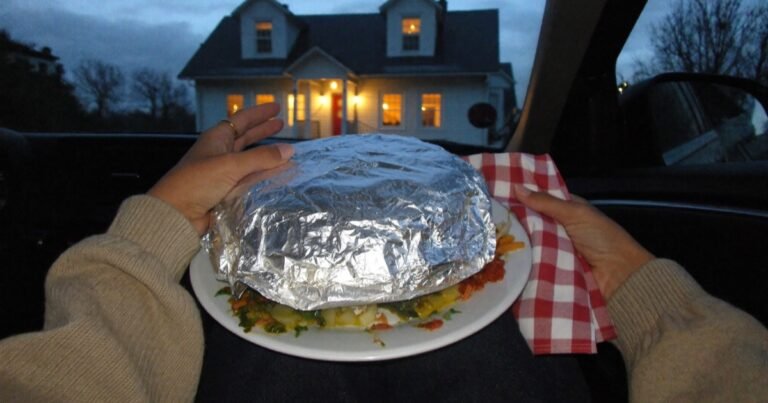





Sleep when the baby sleeps? Cute. Here’s what actually works for tired moms.
Your sleep comes in pieces and most advice assumes 8 free hours. Here's what actually helps: one core sleep block, tag-team nights, short naps and a 5-minute wind-down.
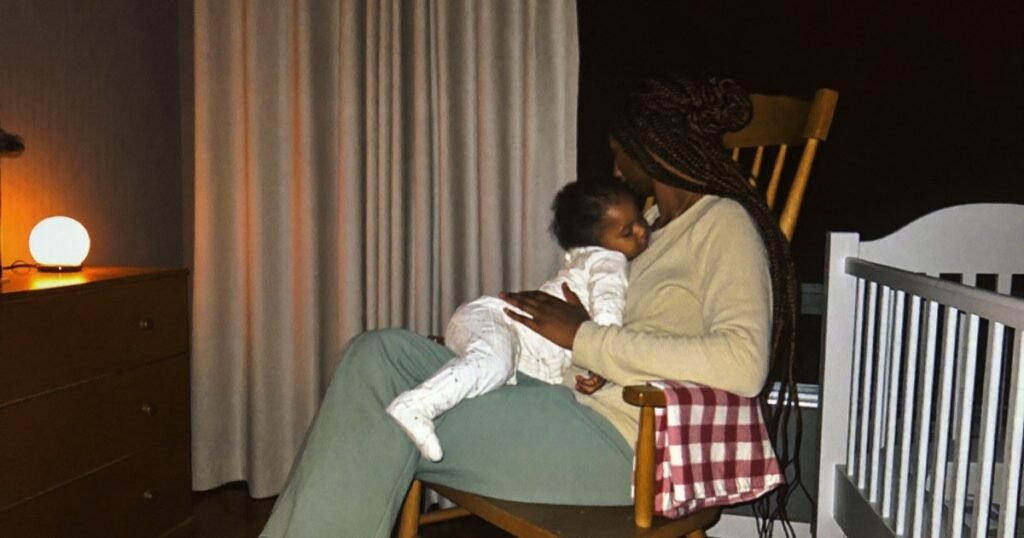
The short answer
The best sleep tips for moms don’t assume you have 8 free hours. Instead, they help you protect one core block of sleep, share night duty, take short naps on hard days and wind down fast in the dark. Small, steady changes usually beat one perfect night.
On this page
This post has affiliate links. If you buy through them, Clean Fit Fab may earn a small commission at no extra cost to you.
It’s 2:40 a.m. Again. The toddler is standing at the side of your bed, holding a stuffed rabbit, announcing they’re thirsty. You fall back asleep at 3:30, the alarm goes at 6:15, and someone on the internet says to just “sleep when the baby sleeps.” Cute. Meanwhile, the baby sleeps while you fold laundry, answer email and finally eat lunch standing up. Most sleep tips for moms simply weren’t written for this life.
So let’s be real about it. You’re not failing at sleep. Your nights come in pieces right now, and the plan has to fit that. This guide gives you tactics for broken nights, plus a tiny ritual for the dark. For the bigger picture, start with our full guide to sleep tips for women.
Why “sleep when the baby sleeps” doesn’t work
The advice isn’t wrong. However, it assumes nothing else needs you during nap time. In real life, nap time is when you shower, cook, work or simply sit in silence for the first time all day. Plus, toddler naps shrink and then vanish, while night wakeups can stick around for years.
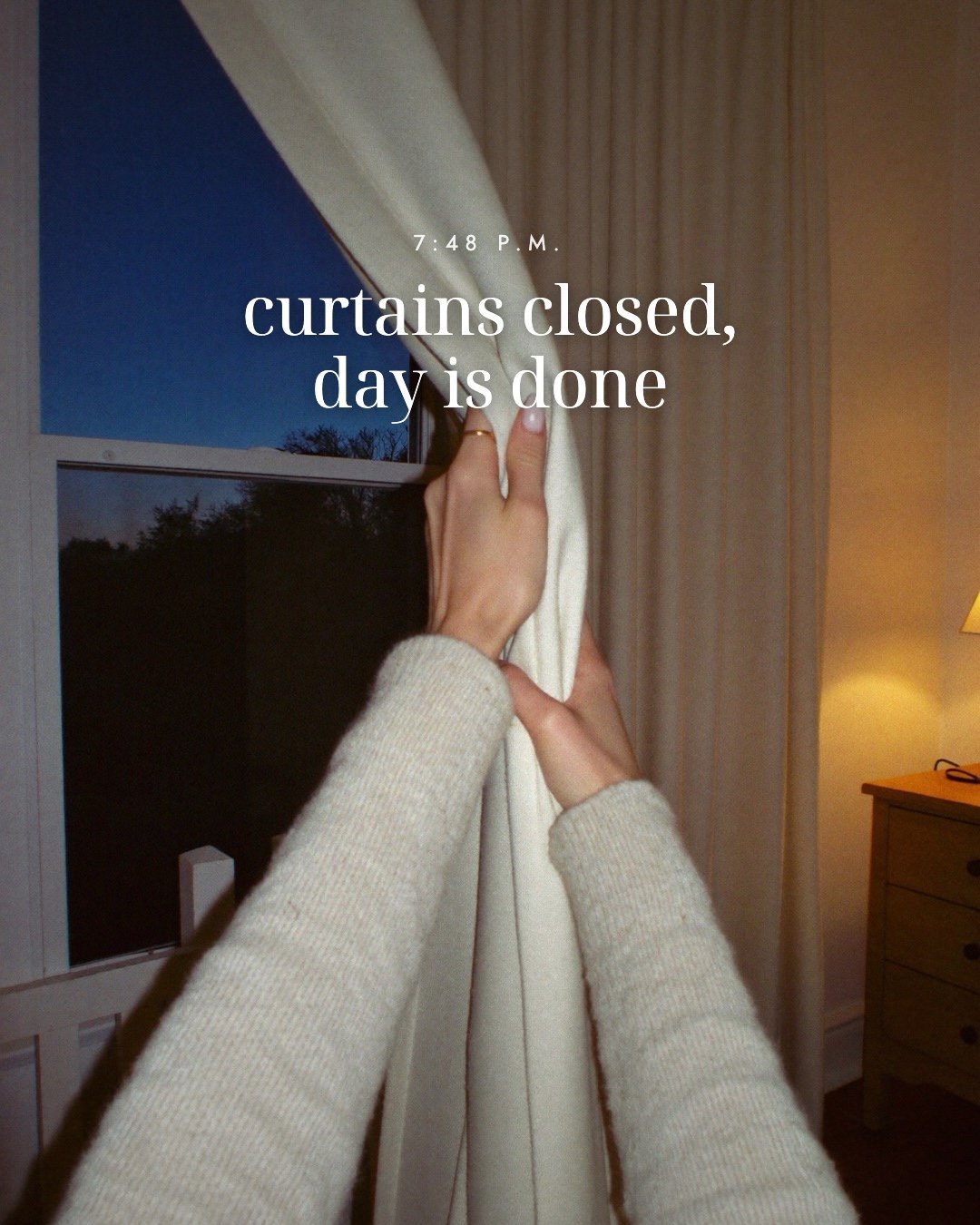
There’s research behind that tired feeling, too. A large 2019 study in the journal Sleep followed 4,659 parents in Germany. In the first three months after birth, mothers slept about an hour less a night than before pregnancy. Even six years later, moms were still getting about 20 minutes less sleep, and they felt less satisfied with it.
That’s why you need a different plan. Instead of chasing eight unbroken hours, you protect what you can, share what you can and recover where you can.
How do I get more sleep with a toddler who wakes up at night?
Start by looking at your nights like a puzzle, not a test. When are the wakeups? Who handles them? And when could you get one stretch of three to five hours with nobody needing you? Write it down for three nights. Then you’ll see patterns you can actually work with.
- Make the first wakeup boring. Keep the lights off, your voice low and the visit short. A dim night light in the hall is enough.
- Move your own bedtime earlier. If the first wakeup comes at 1 a.m., an 11:30 p.m. bedtime gives you very little. Even 30 minutes earlier helps.
- Ask about the pattern. If the night wakeups are new, constant or come with snoring, bring it up with your pediatrician.
Also, a small snack can help if dinner was at 5:30 and you’re hungry at 9. For example, our 2-minute banana almond butter bites are light, cozy and done before the kettle boils.
Sleep tips for moms: 5 things to try this week
You don’t need all five. Instead, pick two that fit your house and try them for one week. Then keep what works. You are allowed to protect your rest like it matters, because it does.
1. Protect one core sleep block
Choose one stretch each night that belongs to you, ideally the first few hours after you fall asleep. Earplugs or a sound machine on your side, phone face down, and nobody wakes you unless it’s truly needed. One solid block often feels better than eight broken hours.
2. Tag-team the nights
If you have a partner, split the night into shifts. For example, one of you is on duty until 2 a.m. and the other takes over after that. Then each person gets a protected block. On the off shift, sleep in another room if you can, so you don’t wake for every sound.
3. Take a 20-minute nap on hard days
The Sleep Foundation suggests about 20 minutes for most adult naps, so you get the boost without the groggy fog. So set a timer, lie down somewhere dark, and let yourself rest even if you don’t fall fully asleep. Try to nap before mid-afternoon.
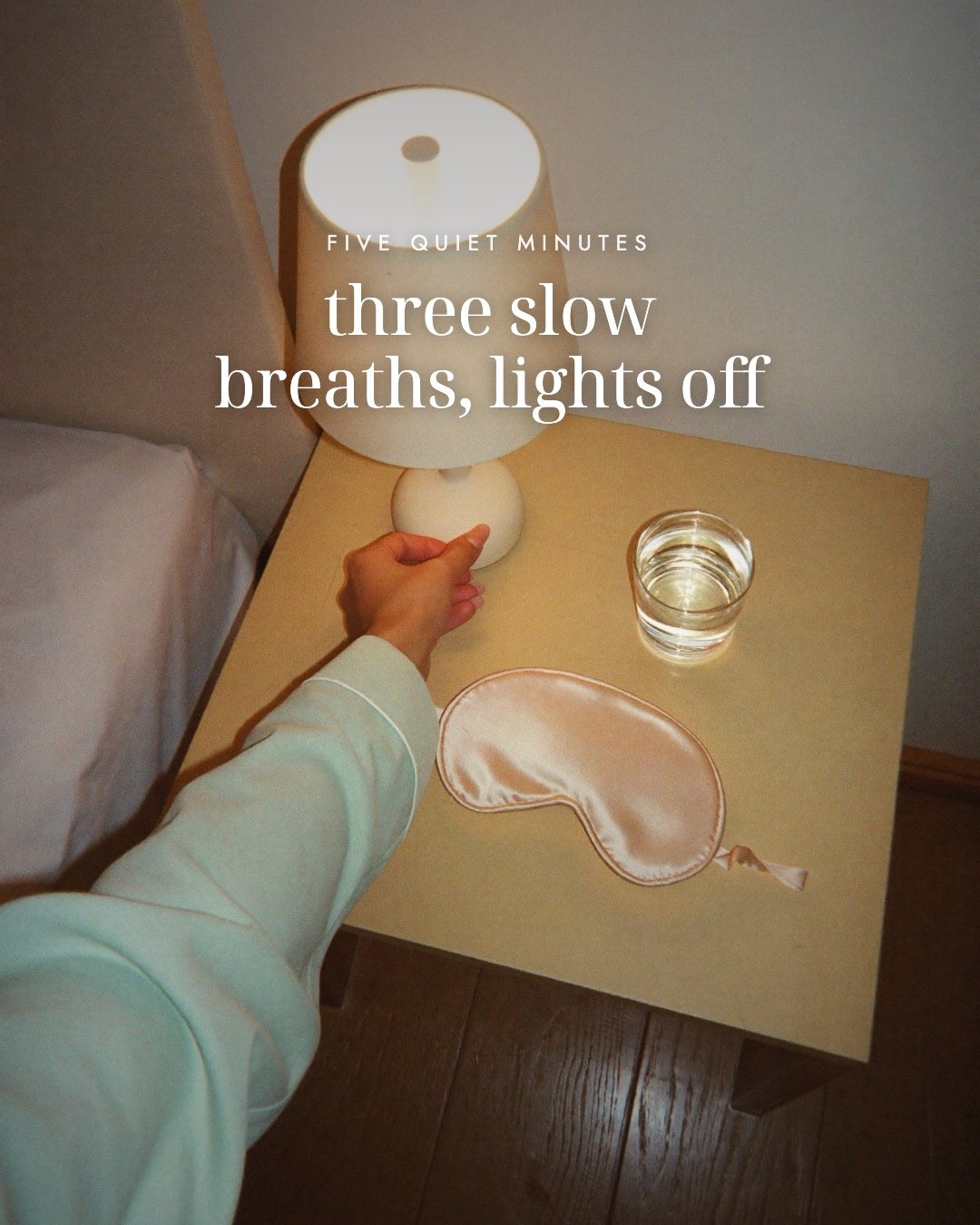
4. Do a 5-minute wind-down in the dark
You won’t have a 90-minute routine, and that’s fine. Instead, try this in bed with the lights off: three slow breaths with a long exhale, relax your jaw and shoulders, then name three small good things from today. That’s it. It’s a quiet signal to your body that the day is done.
5. Make the room work for you
Cool, dark and quiet helps everyone in the house. Blackout curtains block early sunrise and streetlight. A sound machine covers creaking floors and sibling noise. Meanwhile, a soft light on a timer can help older toddlers learn when it’s okay to get up.
A few tools make this easier. For example, a silk sleep mask helps you nap in a bright afternoon room, and a fan-style white noise machine covers small sounds while your partner takes the shift.
What the research actually says
Here’s the honest picture. Adults generally need 7 or more hours of sleep a night, according to the CDC. With little kids, many moms get less, and the gap can last for years, as the 2019 Sleep study showed. Fragmented sleep also tends to feel worse than the hours suggest, because you rarely reach long, deep stretches.
What helps? Short naps have good support for alertness. Earlier bedtimes and shared night duty are common sense, and many families find they make a real difference. On the other hand, no gummy, tea or gadget will fix broken sleep on its own. So think of tools as helpers, not answers.
Also, if your sleep feels off in other ways, like hot 3 a.m. wakeups in your 40s, read our guide to perimenopause insomnia. Some moms are dealing with both at once.
When tired is more than tired
Exhaustion with little kids is common. However, some signs mean it’s time to call your doctor instead of pushing through.
- You feel sad, hopeless, numb or very anxious most days, or you have thoughts of harming yourself. Postpartum depression and anxiety can show up any time in the first year and are very treatable.
- You can’t sleep even when the kids are asleep and the house is quiet.
- You snore loudly, gasp at night or wake with headaches.
- You feel too tired to drive or care for your kids safely.
If you’re in crisis, call or text 988 in the US to reach the Suicide and Crisis Lifeline any time. Asking for help is part of taking care of your family.
Frequently asked questions
How can moms get more sleep with a toddler who wakes up at night?
Protect one longer stretch of sleep each night, split night wakeups with a partner when you can, and keep the wakeups dark, quiet and short. A 20-minute nap on hard days may help too. If the wakeups are new or constant, talk to your pediatrician about your child’s sleep.
Is it bad to nap when you’re a tired mom?
No. A short nap of about 20 minutes may help you feel more alert without leaving you groggy. Try to nap earlier in the day, since a late, long nap can make it harder to fall asleep at night.
How much sleep does a mom actually need?
Adults generally need 7 or more hours a night. With little kids, that often comes in pieces. So aim for one protected core block first, then add naps and earlier bedtimes where you can.
When should a tired mom see a doctor?
Talk to your doctor if you feel hopeless, can’t sleep even when the kids do, snore loudly or gasp at night, or feel too exhausted to function safely. Those signs deserve real care, not just more coffee.
The bottom line
Your sleep comes in pieces right now, and that is not a personal failure. Protect one core block, share the nights where you can, nap without guilt and give yourself five quiet minutes in the dark. This season is hard, and it does change.
Save this for the next 2 a.m. wakeup.
This article is for general information and is not medical or nutrition advice.
Free dinner list
The drained-day dinner list
Thirty dinners for your worst days, plus one new recipe every week. Free, and you can unsubscribe anytime.
Comment TIRED on any of our Instagram posts and we'll send it to you.