






There is no gold star for pushing through
You keep waiting to earn your rest, and the list never ends. Here's how doing everything right turns into depletion, and five small ways to stop before your body makes the choice for you.

The short answer
High-achieving women burn out because they treat rest as a prize for finishing, and the work never finishes. So the fix isn’t a bigger vacation. Instead, it’s learning to rest without guilt in small ways, on ordinary days, before your body makes the choice for you.
On this page
It’s 2:40 on a Wednesday afternoon. You’ve answered 31 emails, moved the laundry, and eaten lunch standing up. Your eyes are burning. Still, when you think about sitting down for ten minutes, a little voice says, “After this one last thing.”
We know that voice. It sounds responsible. However, it has never once said, “Okay, now you’ve done enough.” That’s the trouble with waiting to earn it. If you want to rest without guilt, you can’t wait for permission from a list that never ends.
The slow slide nobody notices
There’s a model for how capable people wear down, credited to the Swedish psychiatrist Marie Asberg. It’s often called the exhaustion funnel. Picture a wide circle at the top: work, family, friends, movement, hobbies, sleep, a little fun.
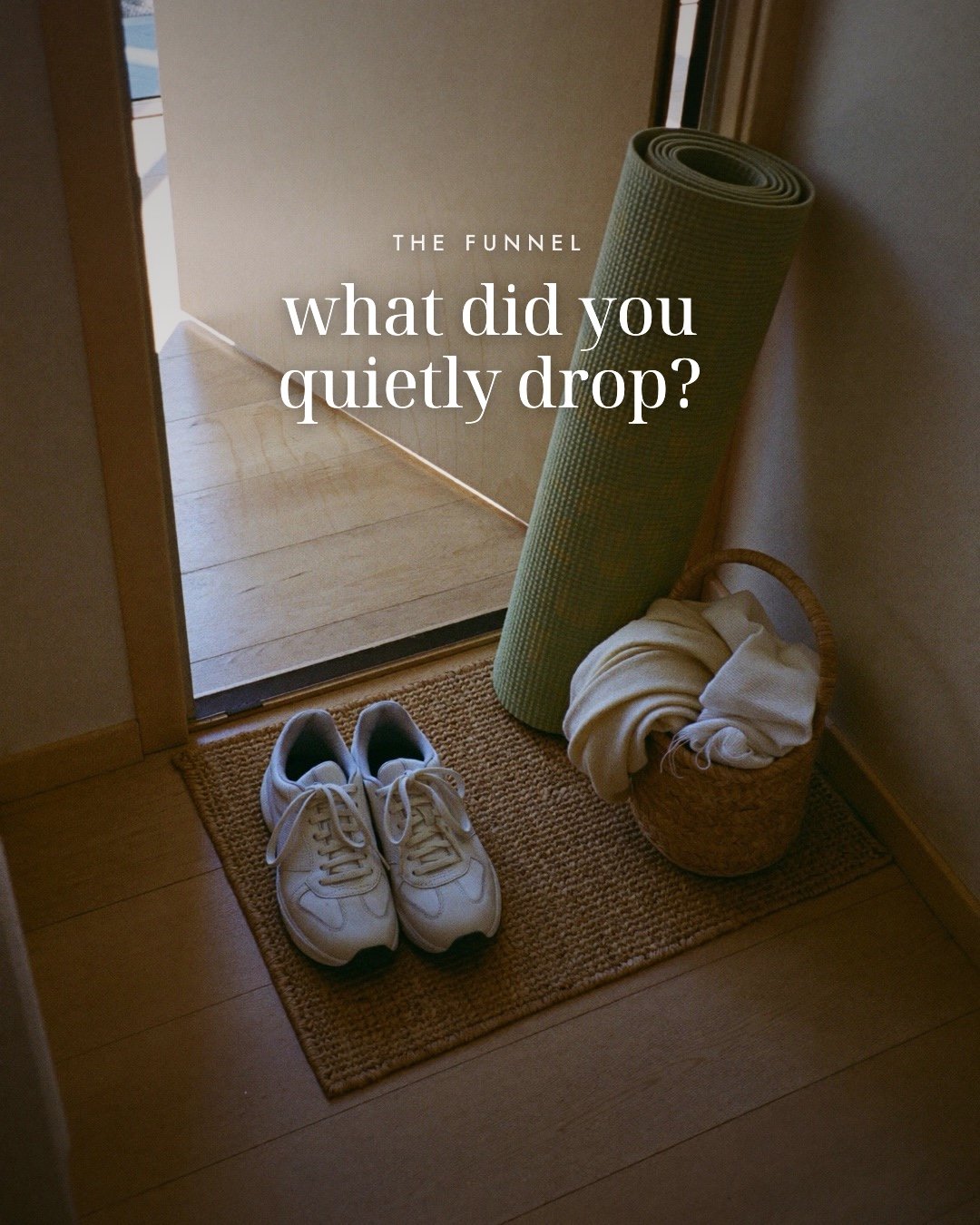
Then life gets busy. So you cut something to make room. Usually, it’s the thing that looks optional: the walk, the book club, the long call with your sister. The circle gets a bit smaller.
Then it gets busy again, and you cut again. Eventually, only work and duty are left. And here’s the cruel part. The things we drop first are often the ones that fill us back up. In other words, we don’t run out of energy all at once. We give it away in small, sensible-sounding trades.
The model also suggests who slides the furthest. It isn’t the careless ones. Instead, it’s the conscientious ones, the women whose confidence depends on doing things well. Doing everything right is exactly how they get there.
Why rest feels like something you have to earn
Most of us were raised on gold stars. Finish your homework, then you can play. Clean your room, then you can relax. As a result, rest got filed under “reward,” and rewards are for people who are done.
But adult life has no “done.” There’s always another email, another form, another meal. So if rest only comes after the work, it simply never comes. Meanwhile, the guilt shows up the second you sit down.
This isn’t just a feeling. The World Health Organization describes burnout as the result of chronic workplace stress that hasn’t been managed well. It lists three signs: exhaustion, growing distance or cynicism about your job, and feeling less effective.
Women carry a heavy share of it. For example, Gallup reports that women leaders say they feel burned out more often than men who lead, about 29% versus 19% in its 2022 to 2025 data. And that’s before the second shift at home.
Then there’s the hustle hangover. Many of us spent our twenties treating exhaustion like a badge. Now we’re in our thirties and forties, the pace hasn’t slowed, and our bodies are sending the bill.
What the research says about switching off
Here’s the good news. Researchers have studied what happens when people mentally step away from work during their off hours. A review in Frontiers in Psychology pooled 86 studies with about 38,000 workers.
The pattern was clear. People who switched off more tended to report less exhaustion, better sleep and higher well-being. Also, heavy workloads made switching off harder. So the people who need recovery most often get the least of it.
That’s worth sitting with. Rest isn’t the opposite of doing well. Instead, it’s part of how people keep doing well. An athlete doesn’t earn her rest day. She schedules it, because that’s when the muscle rebuilds.
What we get wrong about rest
First, we think rest has to be earned. It doesn’t. You’re a person, not a phone that only gets plugged in at 2%.
Second, we think rest means sleep. Sleep matters a lot, of course. However, you can sleep eight hours and still feel flat if your days have no play, no quiet and no time that belongs to you.
Third, we mistake numbing for resting. An hour of scrolling can feel like a break. Yet your mind is still taking in other people’s news, opinions and kitchens. Real rest usually has less input, not more.
Finally, we wait for a crash to give us permission. The flu, the migraine, the tears in the parking lot. Those are your body setting a limit because you didn’t. You’re allowed to stop before you break.
How to rest without guilt: 5 small practices
You don’t need a retreat. Instead, try one of these this week, and treat it like an experiment.
1. Put one thing back in the funnel
Think about what you quietly dropped this year. The Saturday walk? Painting? Lunch with a friend? Pick one and put it on the calendar for the next seven days. Then protect it like a meeting.
2. Decide the stopping point first
Before you start the evening chores, name the end. For example, “Kitchen closes at 8:30.” Then stop when the clock says so, even if the list doesn’t. That way, the time decides, not your guilt.
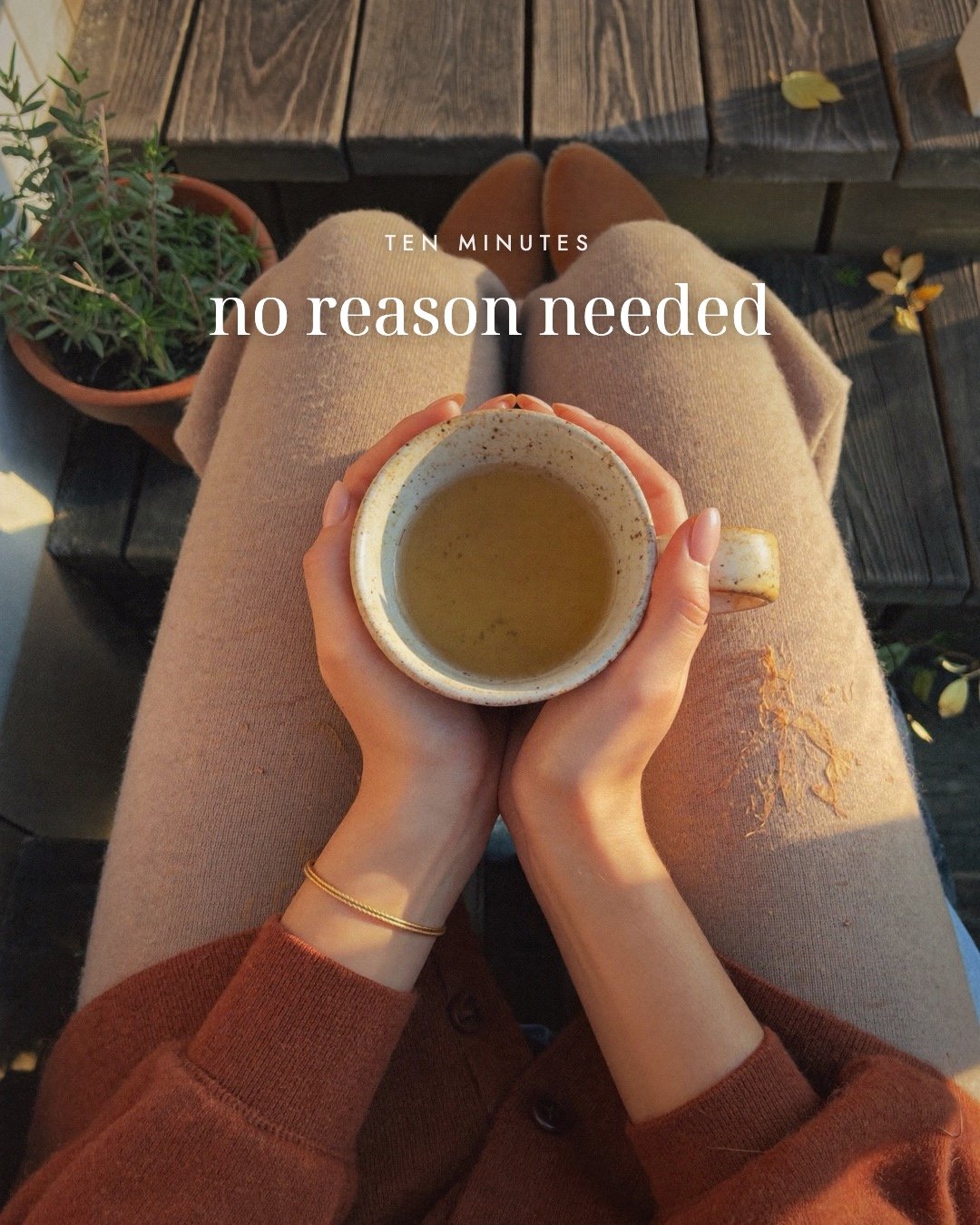
3. Take ten minutes with no reason
Next, sit on the porch, lie on the floor or look out a window. No podcast, no phone, no folding. If stillness makes you restless at first, that’s normal. Our guide on how to regulate your nervous system has gentle ways to settle in.
4. Swap one scroll for one real break
Then notice when you reach for your phone because you’re tired. Once a day, trade that scroll for something from a dopamine menu: a stretch, a song, a cup of tea outside. Small, but it actually refills you.
5. Say the sentence out loud
Finally, practice saying, “That’s enough for today.” It will feel strange. Say it anyway. And if the holidays are stretching you thin, our guide to holiday boundaries has kind words you can borrow.
When tired is more than tired
Sometimes rest alone isn’t the answer. The Mayo Clinic notes that burnout can overlap with depression and other health conditions. Low iron, thyroid problems and poor sleep can also leave you drained.
So talk to your doctor if you’ve felt exhausted for more than two weeks, if time off doesn’t help, or if you feel hopeless. Asking for help isn’t quitting. It’s information.
Frequently asked questions
Why do I feel guilty when I rest?
Many women learned early that worth comes from being useful. So stillness can feel like falling behind, even when you’re exhausted. The guilt is a habit, not a fact, and it usually fades with practice.
How do I rest without guilt when there’s so much to do?
Start small and put it on the calendar. Ten minutes with no task attached is enough to begin. Also, pick your stopping point before you start working, so rest isn’t something you have to earn.
Is scrolling on my phone a form of rest?
Sometimes it’s a nice break. However, it often leaves you more wired than before, because your brain is still taking in a stream of new things. Try a few minutes of something quieter and notice the difference.
What are the early signs of burnout?
Common signs include feeling drained most days, growing cynical about work you used to like, and getting less done with more effort. Dropping the hobbies and people that fill you up is another quiet clue.
When should I see a doctor about exhaustion?
Check in if you’ve felt wiped out for more than two weeks, if rest doesn’t help, or if you feel hopeless or numb. Ongoing fatigue can have medical causes, so it’s worth a real conversation.
Here’s the truth nobody hands you a certificate for. There is no gold star for pushing through. There’s just your one life, and how it feels to live it. So rest without guilt this week, even for ten minutes, and see what comes back.
Save this for the next afternoon you hear “just one more thing.”
This article is for general information and is not medical or nutrition advice.
Free dinner list
The drained-day dinner list
Thirty dinners for your worst days, plus one new recipe every week. Free, and you can unsubscribe anytime.
Comment TIRED on any of our Instagram posts and we'll send it to you.