The most anti-inflammatory kitchens in the world don’t sell a single powder. Here’s what they cook.
Six traditional kitchens, from Greece to Okinawa to the Caribbean, and the simple cooking habits they all share. No powders required.
The short answer: The most anti-inflammatory food cultures in the world are not built on powders or superfoods. Traditional Mediterranean, Okinawan, Indian, West African, Caribbean and Nordic kitchens all cook the same way: beans, greens, roots, fish, real fats and a lot of spice. So you don’t need a new diet. Instead, you can borrow their habits this week.
It’s Sunday night and your feed is full of anti-inflammatory gummies, greens powders and pricey smoothies. Meanwhile, the anti-inflammatory food cultures researchers keep studying never bought any of it. Their secret was a pot of beans, a bag of onions and a spice shelf.
That’s good news if you’re tired, busy and done with diet rules. Because the answer is not one more thing to buy. Instead, it’s a way of cooking that grandmothers on four continents already figured out.
Which food cultures are the most anti-inflammatory?
First, a quick reality check. There is no official ranking of anti-inflammatory food cultures. Instead, researchers look at eating patterns and track markers like C-reactive protein (CRP), a blood sign of inflammation.
The Mediterranean pattern has the most research by far. For example, a study of nearly 26,000 women in the Women’s Health Study found that eating closer to a Mediterranean-style diet was linked to about 25% lower heart disease risk over 12 years. Also, lower inflammation was one of the biggest reasons behind that drop.
Other traditional kitchens show up in the research too, though with fewer studies. So here are six food cultures worth learning from, plus what they have in common.
The Mediterranean: olive oil, beans and lemon
Traditional Greek, Italian and Spanish home cooking runs on vegetables, beans, whole grains, fish, nuts and a lot of extra virgin olive oil. The Harvard Nutrition Source notes that the pattern is mostly plant-based, with fish as the main animal protein and red meat only a few times a month.
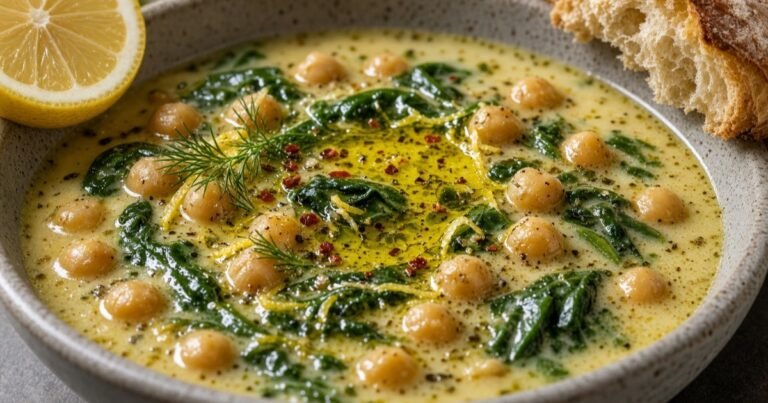
On the Greek island of Sifnos, families traditionally slow-bake chickpeas with onion, olive oil and bay for Sunday lunch. Our weeknight version is a pot of Greek lemon chickpea soup: garlic, oregano and lemon, ready in about 35 minutes, with roughly 15g of plant protein per bowl.
- Borrow this: make olive oil your everyday fat.
- Also: eat beans or lentils a few times a week.
- Plus: finish food with lemon and fresh herbs instead of heavy sauces.
Okinawa: sweet potatoes, tofu and the sea
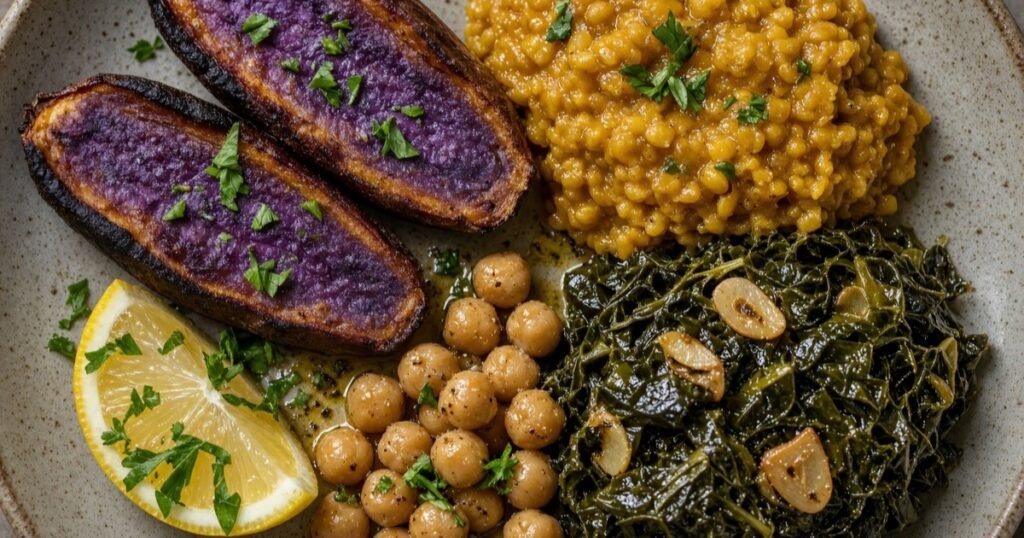
Okinawa, Japan became famous for long lives. By one widely cited estimate from around 1950, sweet potatoes supplied about 69% of calories in the traditional diet. The rest came mostly from rice, other grains, vegetables, soy foods like tofu, seaweed and small amounts of fish and pork.
However, that diet changed a lot after the 1960s, as rice, meat and Western foods moved in. So the lesson is the old way of eating, not modern Okinawa.
- Borrow this: roast sweet potatoes, orange or purple, as your go-to carb.
- Also: add tofu, seaweed and bitter greens to your rotation.
- Plus: season with ginger, garlic and a splash of coconut aminos.
India: turmeric, lentils and a spice box
Traditional Indian home cooking is built on lentils, beans, vegetables, yogurt and whole grains. Then it’s layered with turmeric, ginger, garlic, cumin, coriander and chili. In other words, flavor comes from spice, not from sugar or heavy sauces.
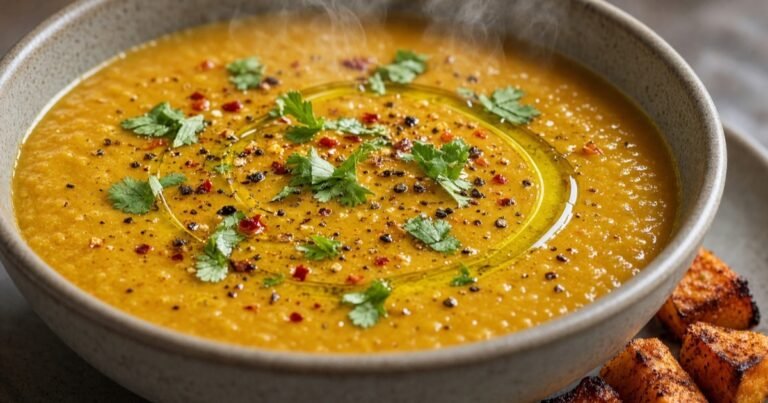
Researchers are still studying turmeric, and the results so far are limited. So think of it as part of the pattern, not a pill. For example, our turmeric ginger red lentil soup has about 17g of protein per bowl and uses ginger, garlic and turmeric together. Also, black pepper and a little fat help your body use turmeric.
West Africa and the Caribbean: greens, beans and real heat
West African cooking leans on black-eyed peas, leafy greens, okra, yams, peanuts, ginger and scotch bonnet peppers. Then those flavors crossed the ocean. That’s why so much Caribbean and Southern food still tastes like West Africa.
In the Caribbean, allspice, thyme, scallion, garlic and scotch bonnet turn simple fish, chicken, beans and greens into something special. For example, try jerk chicken thighs with roasted cabbage or a pot of Creole black-eyed peas. Both are big on flavor and built from whole food.
- Borrow this: cook greens low and slow with onion, garlic and pepper.
- Also: keep black-eyed peas or kidney beans in the pantry.
- Plus: use a fresh green seasoning of herbs, scallion and garlic on everything.
The Nordic coast: fish, rye and berries
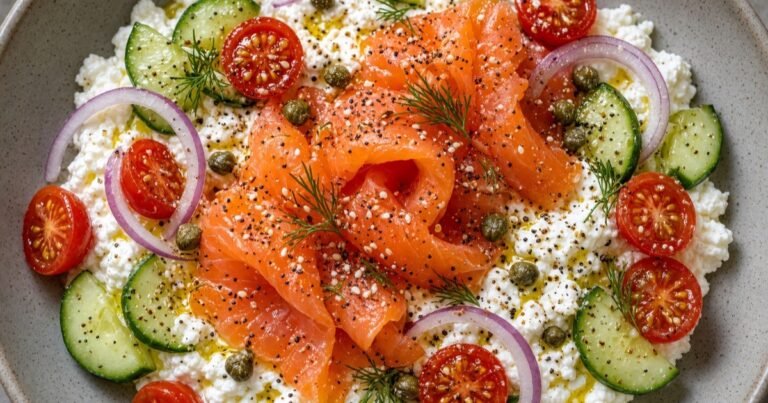
The traditional Nordic table is fatty fish like salmon, herring and mackerel, plus rye bread, oats, root vegetables, cabbage and wild berries. A 2019 review found that sticking closely to a healthy Nordic diet may lower the risk of low-grade inflammation. Still, the authors noted the studies are few and mostly from Finland.
So keep it simple. Eat fish twice a week, swap white bread for real rye or sourdough, and add berries to your oats. For a weeknight version, our smoky sheet pan salmon with sweet potatoes and kale brings omega-3 fish and roots together on one pan.
What all anti-inflammatory food cultures share
Look closely and the same habits show up in every kitchen. That’s the real lesson from anti-inflammatory food cultures. You don’t need to move to Greece. Instead, you need a few of their habits on your plate.
- Plants first. Vegetables, beans, lentils and roots fill most of the plate.
- Real fats. Olive oil, butter, ghee and coconut oil, used for cooking at home.
- Fish over processed meat. Meat is a flavor, not the whole meal.
- Bold seasoning. Garlic, onion, ginger, peppers, herbs and spices do the work sugar and salt do in packaged food.
- Cooked at home, shared. Pots of food that last for days, eaten together.
- Very little ultra-processed food. These diets were mostly made from scratch, because that’s all there was.
Not sure where to start? Then try one small change a week instead of a full overhaul. For example, week one could be beans twice. Week two, fish on Friday. Week three, olive oil as your main cooking fat. By the end of the month, your kitchen looks a lot more like Crete or Okinawa, and you never had to count a thing.
Also, look at your own family’s food first. Many of us grew up with greens, beans, rice, roots and spice on the table. So the healthiest version of your heritage food is often the slower, older, home-cooked one. It’s not something new you have to learn.
Want the full science side? Our guide to starting an anti-inflammatory diet walks through the basics step by step.
Frequently asked questions
Which food cultures are the most anti-inflammatory?
There is no official ranking. However, traditional Mediterranean, Okinawan, Indian, West African, Caribbean and Nordic kitchens share the same habits: lots of plants and legumes, fish over processed meat, real fats and bold spices.
Is the Mediterranean diet anti-inflammatory?
It has the most research behind it. In a study of nearly 26,000 women, eating closer to the Mediterranean pattern was linked to about 25% lower heart disease risk, and lower inflammation was one of the biggest reasons.
Do I have to give up my own cultural foods?
No. Most traditional food cultures already lean on beans, greens, roots and spices. Often the easiest move is to cook the older, home-style version of the food you grew up on.
Can spices like turmeric and ginger lower inflammation?
Researchers are still studying them, and the results so far are limited. So enjoy them for flavor, and let the whole pattern of your plate do the heavy lifting.
Save this for your next grocery run, and pick just one food culture to cook from this week.
This article is for general information and is not medical or nutrition advice.