Is Soul Food Healthy? How to Keep the Flavor and Lose the Guilt
Is soul food healthy? Its roots say yes. Here's what makes some dishes heavy, how to keep the flavor, and 5 soul food classics made lighter.
The short answer: Is soul food healthy? It can be, and its roots are some of the healthiest foods on earth: collard greens, black-eyed peas, okra and sweet potatoes. The heavy parts come from deep frying, lots of salt and extra sugar. Change how you cook, keep the seasoning bold, and soul food can leave you feeling good, not guilty.
It’s Sunday. The greens have been simmering for an hour, the chicken is resting, and the whole house smells like home. Then the little voice shows up: is soul food healthy, or is this the meal that undoes your whole week?
Here’s the thing. You don’t have to choose between your culture and your health. Instead, you can keep every bit of the flavor and simply change a few methods. This guide shows you how, with five classic recipes made lighter.
Is soul food healthy? Here’s the real answer
Soul food isn’t one dish. It’s a whole way of cooking, and the answer depends on what’s on the plate and how it got there.
Start with the foundation. Leafy greens, beans, okra and sweet potatoes are packed with fiber, vitamins and minerals. For example, one cup of cooked black-eyed peas has more than 8 grams of fiber. Collard greens bring fiber, calcium and a big dose of vitamin K. Plus, sweet potatoes are rich in vitamin A.
So the core of soul food is strong. The trouble is the extras that crept in over time: deep frying, fatback and ham hocks in every pot, heavy salt, and sugary syrups on the yams. Those are habits, not the heart of the food. That means they can change, and the flavor can stay.
Where soul food comes from
Soul food has deep West African roots. Rice, black-eyed peas, okra, yams, leafy greens, peanuts and hot peppers were everyday foods across that region. Enslaved Africans carried that knowledge to the American South, and they used it to create meals from very little.
They stretched tough greens and humble beans into dishes that fed whole families. Later, after the Great Migration, the food traveled north and became a symbol of home, Sunday dinner and celebration.
That history matters. It means the most traditional parts of soul food are plant-heavy and slow cooked. In fact, many of the richest dishes started as special-occasion food. They were never meant for every night of the week.
What makes some soul food heavy
Before you change anything, it helps to know where the heaviness really comes from. Usually, it’s one of these four things:
- Deep frying: chicken, catfish and pork chops cooked in a pot of oil soak up a lot of fat.
- Salt from every direction: salt pork, ham hocks, seasoning salt and heavy-handed shakes all add up.
- Added sugar: candied yams, sweet tea and desserts can push sugar sky high in one meal.
- Refined flour: white flour breading and rolls fill you up without much fiber.
Salt is the sneaky one. One teaspoon of table salt has about 2,300 milligrams of sodium, which is the daily limit most adults should stay under. Yet most Americans get about 3,400 milligrams a day. The Harvard Nutrition Source guide to salt and sodium explains why cutting back may help your heart over time.
The good news? Every one of these has an easy swap that keeps the taste.
5 soul food classics, made lighter
Each dish keeps the bold seasoning you love and has its own full recipe. We cook with olive oil, avocado oil, butter or ghee only. Protein counts are rough estimates per serving.
- Smoky collard greens with smoked turkey: silky greens with garlic, onion and chili flakes, simmered with smoked turkey instead of pork fat. About 14g protein, 90 minutes (mostly hands-off).
- Oven fried chicken with a cornmeal crust: a seasoned buttermilk soak and a crunchy paprika crust, baked on a rack. About 40g protein, 60 minutes plus marinating.
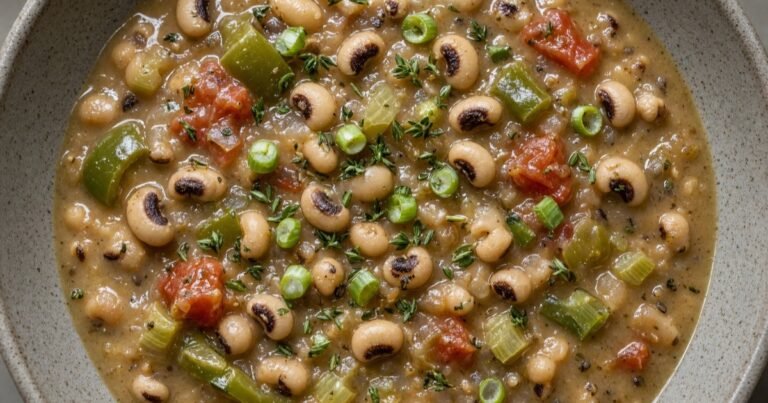
- Creole black-eyed peas: the holy trinity, garlic, tomato, smoked paprika and thyme in one pot. About 18g protein and 11g fiber, 75 minutes.
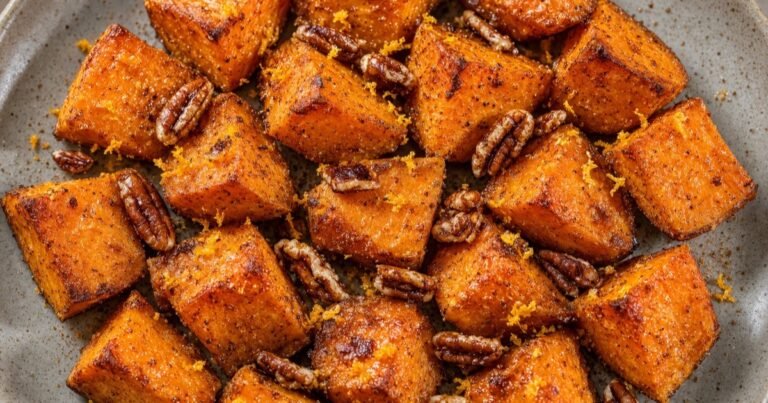
- Cinnamon roasted sweet potatoes: the candied yam feeling with butter, warm spices and just one spoon of maple for the whole pan. About 4g protein, 45 minutes.
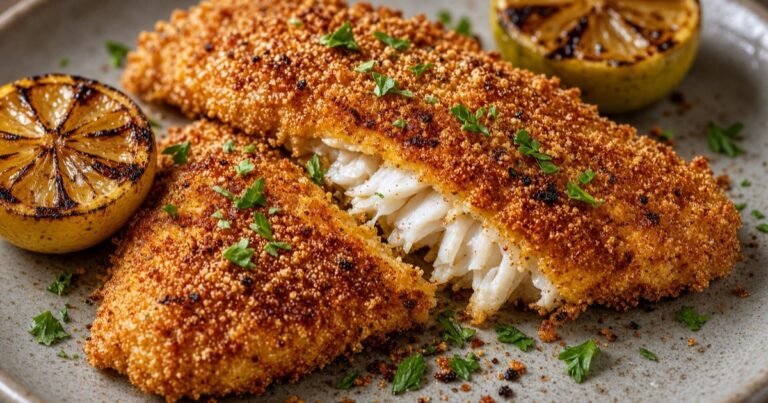
- Cajun baked catfish: a homemade Cajun spice blend in a cornmeal crust, crisp from a hot oven. About 30g protein, 28 minutes.
How to keep the flavor when you lighten it up
Lighter soul food only works if it still tastes like soul food. So flavor comes first, always. Here’s how to build it without the extra fat and salt.
- Smoke without the hock: smoked turkey wings or necks, smoked paprika, or a little chipotle give that deep, savory taste.
- Start with aromatics: onion, lots of garlic, and the holy trinity of onion, celery and bell pepper.
- Use real spices: cayenne, thyme, bay leaves, black pepper, garlic powder and onion powder. Mix your own seasoning blend so you control the salt.
- Finish with acid: a splash of apple cider vinegar or a squeeze of lemon makes greens, beans and fish taste brighter, so you need less salt.
- Bring the heat: fresh jalapeno, a sliver of scotch bonnet, or red pepper flakes.
Also, cooking method changes everything. A cornmeal crust plus a hot oven or air fryer gives you real crunch. Then a brush of avocado oil or melted ghee is all the fat you need.
Build a soul food plate that leaves you feeling good
You don’t need to measure anything. Instead, use a simple plate pattern on Sunday and any other day:
- Half the plate: greens and vegetables, like collards, cabbage, okra or a fresh tomato salad.
- A quarter of the plate: protein, like baked chicken, catfish, or a hearty scoop of black-eyed peas.
- A quarter of the plate: a starch you love, like sweet potatoes, brown rice or a square of cornbread.
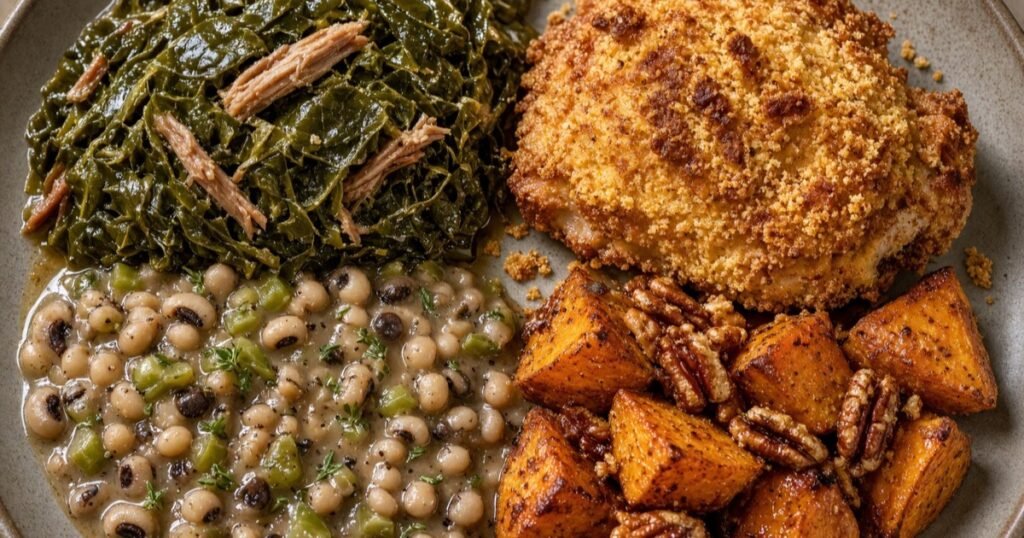
For example, a full Sunday plate could be smoky collard greens, a piece of oven fried chicken, and a scoop of cinnamon roasted sweet potatoes. On Friday, try Cajun baked catfish with Creole black-eyed peas and greens.
Better yet, most of these dishes reheat beautifully. Make a big pot of greens and peas on Sunday, and weeknight dinners are half done. Our beginner meal prep guide shows you how to plan it.
Lose the guilt, keep the tradition
Soul food is family, history and love on a plate. So it doesn’t deserve guilt. Still, it’s fair to want food that helps you feel steady and strong for the people who count on you.
That’s why the goal isn’t perfection. It’s balance. Eat the greens first. Bake more often than you fry. Save the richest dishes for the holidays and big Sundays, and enjoy every bite when you have them. One meal never undoes your week.
In the end, is soul food healthy? When it looks like the food it came from, with lots of greens, beans and bold seasoning, the answer can be yes.
Frequently asked questions
Is soul food healthy for weight loss?
It can fit. Build your plate around greens, beans and lean protein, bake or roast instead of deep frying, and keep the rich sides to a smaller scoop. Flavor stays, portions stay sensible.
What is the healthiest soul food?
Collard greens, black-eyed peas, okra and sweet potatoes are the stars. They bring fiber, vitamins and minerals, and they were at the heart of the tradition from the start.
How do you season collard greens without pork?
Use a smoked turkey wing or neck, or keep them plant-based with smoked paprika, onion, lots of garlic, red pepper flakes and a splash of apple cider vinegar at the end.
Can you make soul food without frying?
Yes. A cornmeal crust plus a hot oven or air fryer gives chicken and catfish real crunch with just a brush of avocado oil or ghee.
Save this for your next Sunday dinner, and send it to the cousin who always brings the greens.
Reviewed for accuracy by a Licensed Practical Nurse with 17 years of clinical experience. This article is for general information and is not medical or nutrition advice.