





A spoon of vinegar before pasta? What it can (and can’t) do for your blood sugar
Everyone's taking ACV shots and gummies. Here's what small studies actually found about vinegar with a starchy meal, how much they used, and the diluted, with-food way to try it.

The short answer
A little, sometimes. Small studies on apple cider vinegar before meals found a modest dip in the blood sugar rise after a starchy meal, like bread or pasta. However, the effect is small, the studies are short, and straight shots and gummies are not what research tested. So if you try it, keep it diluted and keep it with food.
On this page
This post has affiliate links. If you buy through them, Clean Fit Fab may earn a small commission at no extra cost to you.
It’s 6:30 p.m. and the pasta water is about to boil. Meanwhile, your feed is full of people taking apple cider vinegar before meals, wincing through a shot glass and calling it a “blood sugar hack.” So you’re standing in the pantry, holding the bottle, wondering if you’re missing something.
Here’s the calm version. You’re not missing much, and you don’t need to suffer through a shot. This guide covers what the studies found, how much people used, and the gentle, tooth-friendly way to try it. It’s part of our bigger guide to balancing blood sugar naturally, which starts with the plate, not the bottle.
What is the apple cider vinegar trend?
The idea is simple. You drink a spoonful of vinegar, usually apple cider vinegar, in water before you eat. Then the meal, especially the starchy part, may land a little softer.
Vinegar is mostly water and acetic acid. Researchers think acetic acid may slow how fast your stomach empties. Also, it may change how quickly starch is broken down. As a result, sugar from the meal reaches your blood a bit more slowly.
Of course, the trend has grown far past the science. Now there are shots, gummies, pills and “morning ACV rituals.” Some of those were never studied at all. So let’s look at what actually was.
What the research actually says
Three kinds of studies come up again and again. Here they are in plain words.
- 2004, insulin resistance and type 2 diabetes: In a small study in Diabetes Care, adults drank diluted vinegar or a placebo drink right before a high-carb breakfast of a bagel, butter and orange juice. After the vinegar, their bodies handled the meal better, especially in the insulin-resistant group.
- 2005, healthy adults: In a Swedish study of 12 people, white bread eaten with vinegar led to a lower blood sugar rise at 30 and 45 minutes. Plus, people felt fuller afterward with the highest dose.
- 2010, type 2 diabetes: A trial in the European Journal of Clinical Nutrition found vinegar lowered the after-meal rise only when the meal was high in fast carbs. With a lower-carb meal, it made no real difference.
Then there’s the bigger picture. A 2025 review in Frontiers in Nutrition pooled 7 small trials in people with type 2 diabetes and found lower fasting blood sugar with apple cider vinegar. However, the authors themselves urged caution, because the trials were small and the results didn’t all agree.
Now the honest part. Most of these studies had a dozen or so people and watched just one meal or a few weeks. As of 2026, no large, long-term trial shows that a daily spoonful prevents diabetes. Also, a rise in blood sugar after eating is normal. You’re not chasing a flat line. Instead, you’re giving a starchy meal a slightly softer landing.
Should you drink apple cider vinegar before meals, and how much?
If you’re healthy and curious, it’s a low-cost experiment. Most studies used about 1 to 2 tablespoons, always diluted, taken right before or with a starchy meal. That’s the pattern to copy.

In other words, the timing matters more than the morning ritual. Taking apple cider vinegar before meals that are mostly protein and vegetables likely does very little. Meanwhile, a glass next to pasta, rice or bread is where the small studies saw a change.
Here’s the soul part, too. A tall, fizzy glass while dinner comes together slows you down. You pause, you sip, you sit. That little moment of care is good for you, whatever your glucose does.
How to try apple cider vinegar before meals (the gentle way)
You don’t need a shot glass or a grimace. Instead, try these four steps this week.
1. Dilute it, every time
Stir 1 tablespoon into a full glass of water, about 8 to 12 ounces. Undiluted vinegar is harsh on your throat and teeth. So never take it straight.
2. Pair it with a starchy meal
Have it with pasta night, a rice bowl or a sandwich on crusty bread. Start sipping a few minutes before your first bite and finish it with the meal. Our sparkling apple cider vinegar spritzer makes this easy: vinegar, cold bubbles, fresh lemon, apple slices and a pinch of cinnamon in 2 minutes.
3. Protect your teeth
Vinegar is acidic enough to wear down enamel. That’s why a dentist writing for The Conversation suggests diluting it and sipping through a straw. Then rinse with plain water and wait about 30 minutes before you brush.
4. Or just put it on your salad
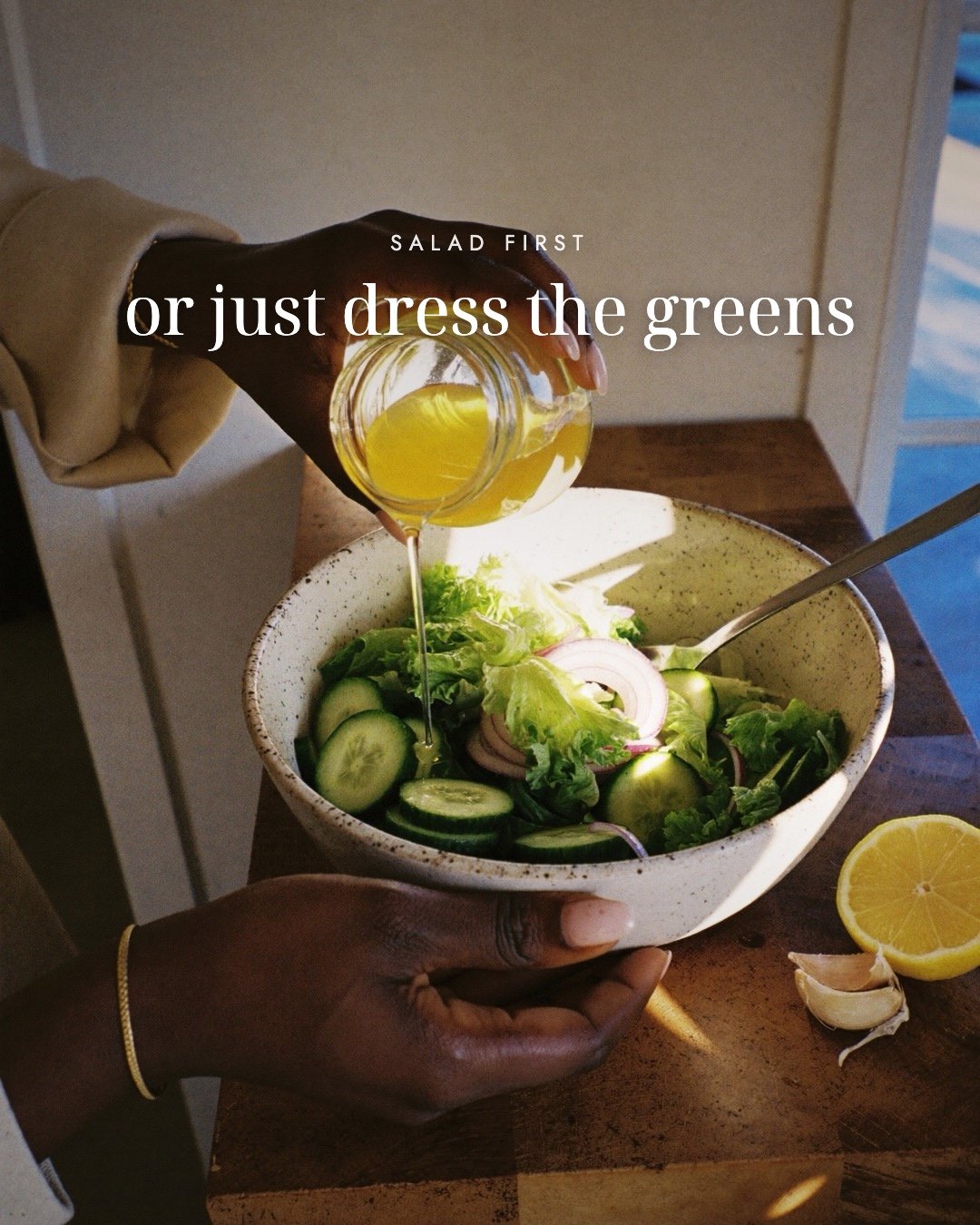
Here’s the easiest version of all. Whisk 1 tablespoon of apple cider vinegar with 2 tablespoons of olive oil, a little Dijon, minced garlic and a pinch of salt. Shake it in a small mason jar and pour it over greens before the pasta. You get the vinegar, plus the veggies-first habit from our guide to food order and blood sugar.
Shots, gummies and pills: what’s hype
Not every ACV product is the same as the vinegar in the studies. So here’s a quick sort.
- Straight shots: never tested as a better option, and they can burn your throat and wear down enamel. Dilute instead.
- Gummies: not well studied. Many hold less acetic acid than a tablespoon of vinegar, some add sugar, and chewy acid sticks to teeth.
- Pills and capsules: also thinly studied, and supplements aren’t checked by the FDA before they’re sold. If you buy one anyway, look for third-party testing like USP or NSF.
- Sipping it all day: more is not better. One glass with a meal gives your teeth a break the rest of the day.
Who should skip it or ask first
Vinegar is food, yet larger amounts can still matter. MedlinePlus notes that big amounts over time may lower potassium. So check with your doctor before you start if any of these fit you:
- You take insulin or other diabetes medicine, since your blood sugar could drop too low.
- Digoxin or water pills are part of your routine, because of the potassium link.
- You have gastroparesis or slow stomach emptying, which vinegar may slow further.
- You have reflux, ulcers or sensitive teeth, or you’re pregnant or breastfeeding.
And if it starts to feel like one more rule, let it go. The plate still does most of the work.
Frequently asked questions
How much apple cider vinegar should I drink before a meal?
Most small studies used about 1 to 2 tablespoons, always diluted. A gentle place to start is 1 tablespoon in a full glass of water, sipped with or just before a meal that has starch in it.
How long before a meal should I drink apple cider vinegar?
In the studies, people usually drank it right before eating or had it with the food. So there’s no need to wait 30 minutes. Start sipping a few minutes before your first bite and finish it with the meal.
Do apple cider vinegar gummies work?
They haven’t been tested the way liquid vinegar has. Many gummies hold less acetic acid than a tablespoon of vinegar, often add sugar, and stick to your teeth. So if you want to try vinegar, the liquid, diluted, with food is the version research looked at.
Is it safe to drink apple cider vinegar every day?
For most healthy adults, a diluted tablespoon with a meal is generally considered fine. However, large amounts over time may lower potassium. So talk to your doctor first if you take insulin, diabetes medicine, digoxin or water pills, or you have slow stomach emptying.
Does apple cider vinegar help with weight loss?
There’s no strong proof that it does. One small study found people felt a bit fuller after bread eaten with vinegar, but that’s not the same as losing weight. As a result, it’s best treated as a flavor habit, not a weight plan.
The bottom line
Apple cider vinegar before meals is a small, cheap habit with small, early evidence behind it. So if you like the taste, dilute a tablespoon, sip it with your pasta and enjoy every bite. You don’t have to wince through a shot to take care of yourself.
Save this for your next pasta night.
This article is for general information and is not medical or nutrition advice.
Free dinner list
The drained-day dinner list
Thirty dinners for your worst days, plus one new recipe every week. Free, and you can unsubscribe anytime.
Comment TIRED on any of our Instagram posts and we'll send it to you.