





Creatine Isn’t Just for Gym Bros: Why Women Are Adding It to Their Morning Coffee
Your Pilates friend swears by a scoop a day, and you're scared of bloat and bulk. Here's what the research supports, what it doesn't, and how to pick a clean creatine.

The short answer
Creatine for women is one of the better studied supplements out there. Research suggests 3 to 5 grams of creatine monohydrate a day may help you get stronger when you also lift. It won’t make you bulky, and most early “bloat” is a little water held inside your muscles.
On this page
This post has affiliate links. If you buy through them, Clean Fit Fab may earn a small commission at no extra cost to you.
It’s Tuesday, 9:40 a.m. Class just ended, and your Pilates friend is shaking white powder into her iced coffee in the parking lot. She swears by a scoop a day. Meanwhile, you’re thinking about the gym bros from college, and wondering if you’ll puff up by Friday.
First, your caution makes sense. Supplements are loud, and creatine for women has only recently had its moment. So this guide covers what it is, what the research supports, what it doesn’t prove yet, and how to pick a clean one. If you haven’t started lifting, begin with our guide to strength training for women, because creatine works alongside it.
What is creatine?
Creatine is a compound your body already makes from amino acids. You also get some from food, mostly red meat and fish. About 95 percent of it is stored in your muscles, where it helps recycle quick energy for short, hard efforts. Think the last two reps, a sprint up the stairs, or a heavy car seat.

Here’s the part most women never hear. A review in the journal Nutrients reports that women have 70 to 80 percent lower creatine stores than men. Plus, women tend to eat less of it. That’s one reason researchers have started studying creatine for women on its own, instead of borrowing numbers from men.
What the research actually says about creatine for women
Let’s be honest about what’s proven, what’s promising and what’s hype. As of 2026, creatine monohydrate is still the form with the most research behind it.
- Well supported: strength and training performance. The International Society of Sports Nutrition calls creatine monohydrate the most effective nutritional supplement for high-intensity exercise capacity and lean mass during training. However, the key words are “during training.” A scoop without lifting does very little.
- Promising, not proven: support through midlife. Some studies in postmenopausal women suggest creatine plus resistance training may help with strength and muscle. Results for bone are mixed.
- Early days: mood, brain fog and sleep loss. Small studies are interesting, but they’re not enough to make promises.
- Hype: fat loss, hormone fixes and “toning” in a tub. Creatine doesn’t do those things.
Who should skip it or ask first? The Mayo Clinic notes that creatine may not be safe for people with kidney problems. Also, check with your doctor if you’re pregnant, breastfeeding, on medication or managing a condition. And remember, it’s optional. You can get strong without it.
Will creatine make you bloated or bulky?
This is the fear that stops most women, so let’s take it slowly. Creatine draws water into your muscle cells. As a result, the scale can go up a pound or two in the first weeks. However, that water sits inside the muscle, not under your skin.
Most stomach bloating shows up with a “loading phase,” which means about 20 grams a day for a week. You don’t need that. Instead, a small daily dose gets you to the same place in three to four weeks, usually with far less puffiness.
As for bulk, building visible muscle takes years of heavy lifting and plenty of food. A scoop can’t do that by itself. If muscle is your goal, enough protein for women building muscle matters even more.
How to take creatine for women: the simple daily routine
You don’t need a complicated plan. Here’s the routine many women find easiest to keep.
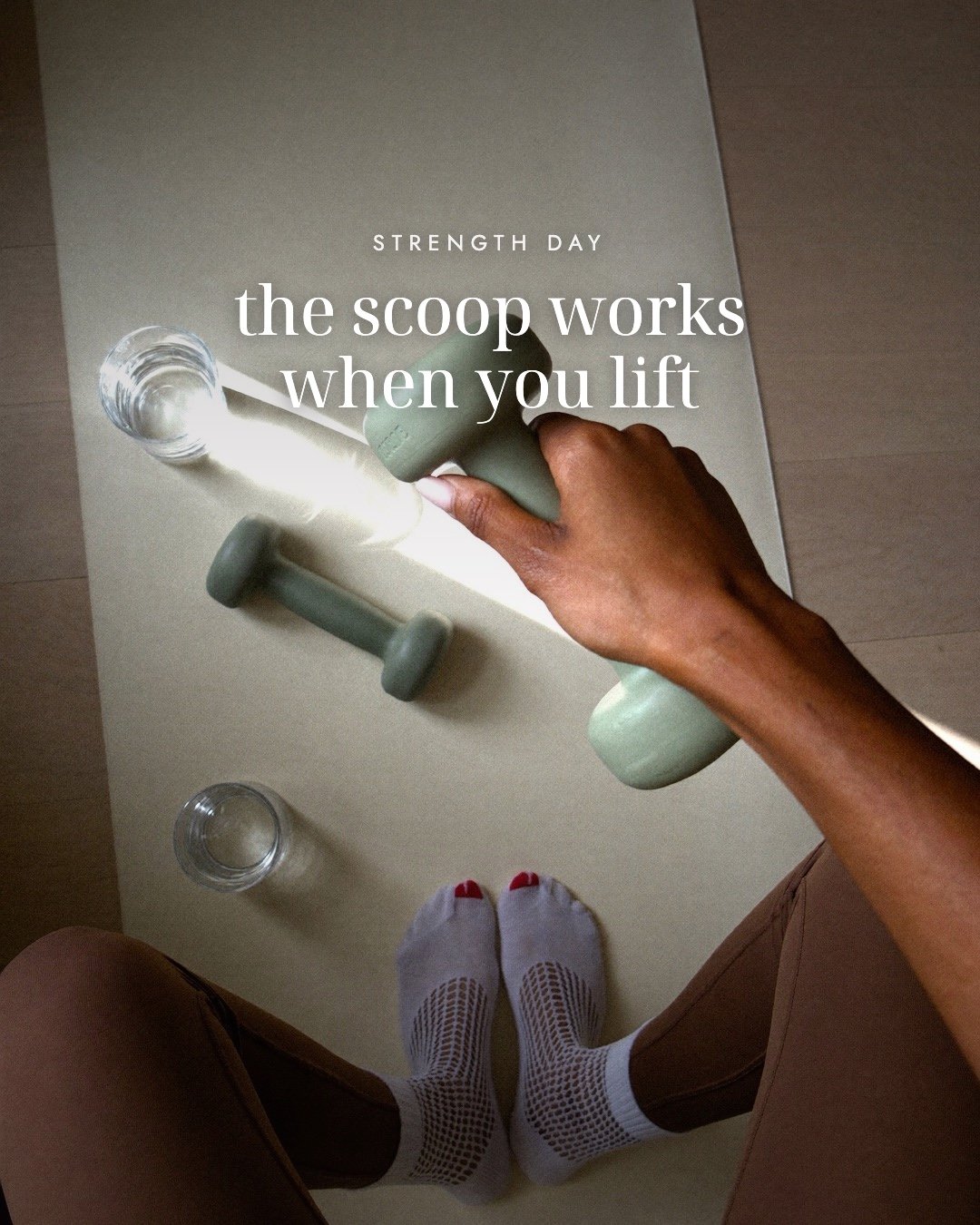
1. Pick plain creatine monohydrate
Skip the gummies, blends and fancy forms. Instead, look for one ingredient, creatine monohydrate, and a third-party seal such as NSF Certified for Sport or USP Verified. For example, an unflavored, third-party tested powder is all you need.
2. Take 3 to 5 grams a day, and skip the loading phase
One level scoop is usually 5 grams, but check your tub. Then take the same amount every day, including rest days. Many smaller women start at 3 grams.
3. Tie it to something you never forget
Timing matters much less than consistency. So attach it to coffee, breakfast or your post-class shake. Our creatine iced latte takes 3 minutes, and you can’t taste the powder. Just drink it soon after you mix it, because creatine slowly breaks down once it sits in liquid.
4. Drink water and keep lifting
Next, keep a glass of water nearby through the day. Then lift two or three times a week. If your old routine has stopped working, our perimenopause workout guide lays out a simple week.
5. Give it a month
Finally, be patient. Muscles fill up slowly at this dose. Most women who notice a change describe one more rep, a slightly heavier dumbbell or a bit more pep in class. It’s quiet, not dramatic.
How to pick a clean creatine
The supplement aisle is loosely regulated, so the label matters. Here’s a short checklist to save.
- One ingredient: creatine monohydrate. No proprietary blends.
- A third-party seal: NSF Certified for Sport, Informed Sport or USP Verified.
- Unflavored powder: it mixes into coffee, smoothies or water, with no sweeteners or dyes.
- A clear serving size: 3 to 5 grams per scoop.
- No big promises: if the tub claims to melt, tone or balance anything, put it back.
Also, a simple shaker bottle helps on days you take it with water after class.
Why women are adding it to their morning coffee
Honestly, it’s about habit. Coffee already happens every single day. So the scoop gets a free ride on a ritual you love, and you stop needing to remember one more thing.
There’s a soul side to it too. Stirring something into your cup for future you is a tiny daily vote for a strong body at 50, 60 and 70. Pair it with a real breakfast, like gingerbread protein overnight oats, and the morning starts to feel like it belongs to you.
One note on caffeine: research on combining the two is mixed, and for most people a normal cup is considered fine. However, if coffee bothers your stomach, take your creatine with water and food instead.
Frequently asked questions
Should women take creatine?
It’s optional, not required. Research suggests creatine monohydrate may help healthy women gain strength when it’s paired with resistance training. Talk to your doctor first, especially if you have a kidney condition, take medication, or are pregnant or breastfeeding.
Will creatine make me bloated or bulky?
Probably not at a normal dose. Creatine pulls a little water into your muscles, so the scale may rise a pound or two at first. That is water inside muscle, not fat. Bloating is mostly linked to large loading doses, which you can skip.
How much creatine should a woman take a day?
Most research uses 3 to 5 grams of creatine monohydrate a day. A loading phase isn’t needed. A steady daily dose fills your muscles in about three to four weeks.
Is creatine safe during pregnancy or breastfeeding?
There isn’t enough human research yet to say. So this is a clear ask-your-doctor situation before you take it.
When is the best time to take creatine?
Whenever you’ll remember it. Daily consistency seems to matter much more than timing, which is why many women tie it to their morning coffee.
The bottom line
You are allowed to be curious about this without becoming a gym bro. In short, creatine for women is a small, well studied helper for lifting days, not magic and not a must. Start with the lifting, add the scoop if it fits your life, and let strong be something you build slowly.
Save this for your next supplement aisle stare-down. Comment or message CREATINE and we’ll send you the creatine starter cheat sheet.
This article is for general information and is not medical or nutrition advice.
Free dinner list
The drained-day dinner list
Thirty dinners for your worst days, plus one new recipe every week. Free, and you can unsubscribe anytime.
Comment TIRED on any of our Instagram posts and we'll send it to you.