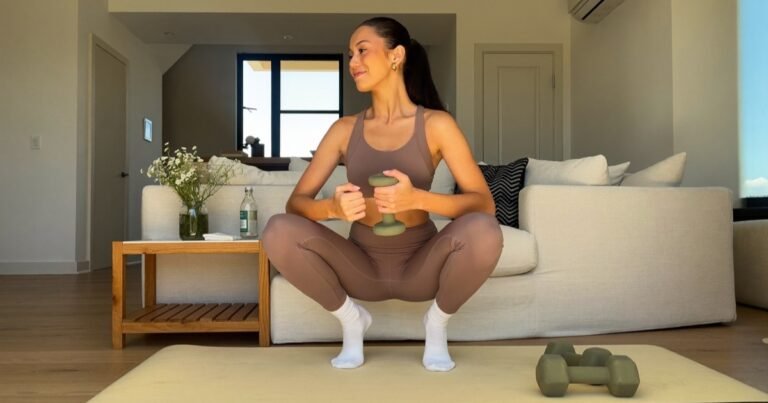





Your Old Workout Stopped Working at 40. Here’s Why (and What to Do Instead)
Same workouts, same food, but your body feels softer and more tired. Here's what's shifting in perimenopause, plus a simple strength, cardio and recovery week.

The short answer
A good perimenopause workout plan lifts heavier, keeps hard cardio short and protects recovery. As estrogen shifts, your body tends to hold on to muscle less easily. So two or three strength days, easy walks, one short interval session and real rest often work better than more and more cardio.
On this page
This post has affiliate links. If you buy through them, Clean Fit Fab may earn a small commission at no extra cost to you.
It’s Tuesday, 6 a.m. You do the same spin class you’ve done for five years. You eat the same lunch. Yet your jeans fit differently, your legs feel heavy by Thursday, and you’re wiped out by 3 p.m. So you add another class. Somehow, that makes it worse.
First, you didn’t do anything wrong. Your body simply changed the rules, and nobody sent the memo. This guide explains what’s shifting and gives you a simple perimenopause workout week you can start on Monday. If you’re new to weights, begin with our full guide to strength training for women.
What is perimenopause, and why does your workout feel different?
Perimenopause is the stretch of years leading up to your last period. According to the National Institute on Aging, the transition most often begins between ages 45 and 55 and usually lasts about seven years. However, some women notice changes in their early 40s or even their late 30s.
During this time, estrogen and progesterone rise and fall unevenly. As a result, sleep gets lighter, recovery feels slower, and your body may store more fat around the middle. Meanwhile, muscle becomes a little harder to keep.
That last part matters most. Research in the NIH library estimates that adults lose about 3 to 8 percent of their muscle each decade after 30. So the long, steady cardio that worked at 32 may not be enough at 44. Your body is now asking for a stronger signal.
What the research actually says
Here’s the honest version. The CDC recommends that all adults get 150 minutes of moderate activity a week, plus muscle strengthening on at least two days. That advice doesn’t change in perimenopause. Instead, the strength part simply becomes harder to skip.
What’s well supported? Resistance training helps women keep muscle and strength as they age, and weight-bearing exercise supports bone. Also, regular movement is linked with better sleep and mood in midlife.
What’s still fuzzy? There is no single proven perimenopause workout formula. For example, the claim that hard cardio is bad for women over 40 goes further than the science. Intervals are fine. In fact, the real issue is usually too many hard days and too little rest.
And what’s hype? Any plan that promises to flatten your middle with one move. Weighted vests are trendy too, but the evidence is mixed. A 2025 trial in JAMA Network Open found that a vest alone didn’t prevent hip bone loss in older adults who were losing weight. So think of a vest as a way to make walks a bit harder, not as a replacement for lifting.
The 3 shifts that tend to help
1. Lift heavier, with fewer reps
Light weights for 20 reps feel busy, but they send a weak signal. Instead, pick a weight you can lift 6 to 10 times with good form, where the last two reps feel hard. Then rest a full minute or two between sets. Yes, the resting is part of the workout.
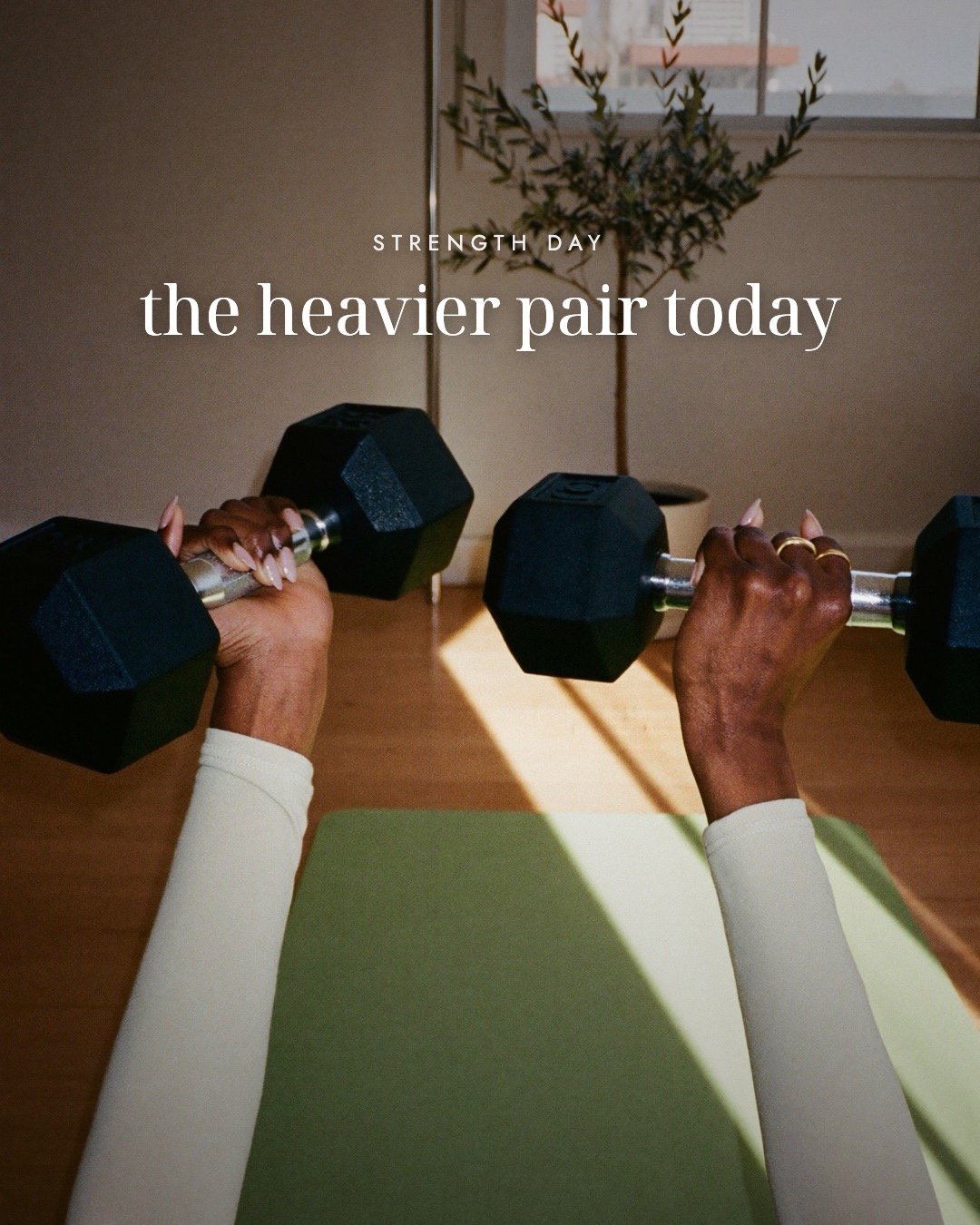
2. Keep hard cardio short and easy cardio easy
Swap the daily 45-minute grind for two speeds. First, walk most days at a pace where you can still talk. Then, once a week, do a short burst session: 30 seconds hard, 90 seconds easy, six times. Altogether, that’s about 12 minutes.
3. Treat recovery like training
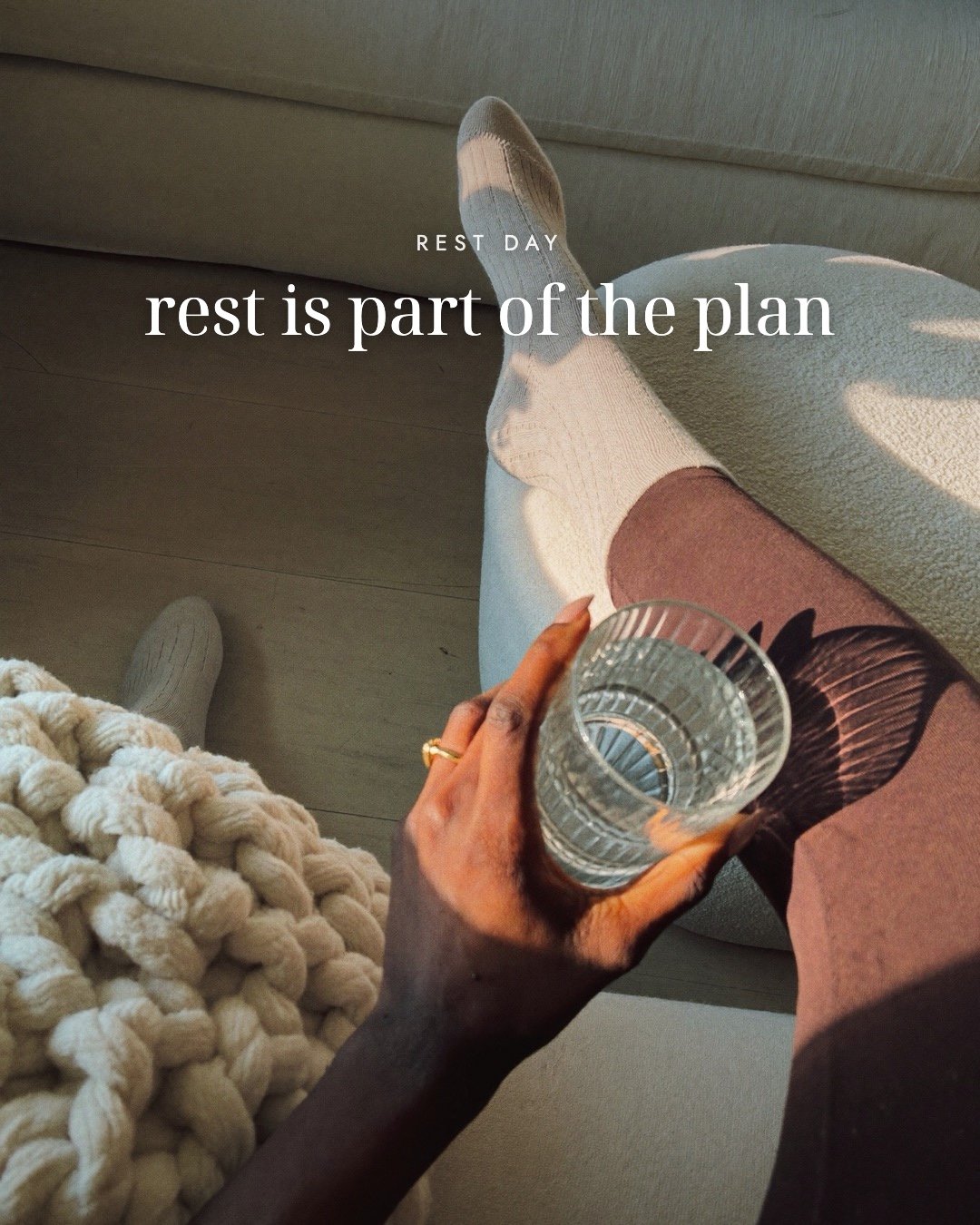
Muscle is built while you rest, not while you lift. So protect one full rest day, eat protein after you train and guard your bedtime. If the week before your period wrecks your nights, our guide on sleep before your period can help. You are allowed to do less and get more from it.
Your perimenopause workout week
Here’s a sample week. It takes about three and a half hours in total, and every session fits in 40 minutes or less. Move the days around to fit your life.
- Monday: Strength A, lower body (35 minutes). Goblet squat, Romanian deadlift, glute bridge, farmer carry.
- Tuesday: Easy walk (30 to 40 minutes). Outside if you can. Keep it at a talking pace.
- Wednesday: Strength B, upper body and core (35 minutes). Bent-over row, overhead press, incline push-up, dead bug.
- Thursday: Easy walk plus 10 minutes of mobility. Hips, upper back and calves. A foam roller feels great here.
- Friday: Strength C, full body (35 minutes). Repeat your favorite five moves from Monday and Wednesday.
- Saturday: Short intervals (12 to 15 minutes). Hills, a bike or stairs. Six rounds of 30 seconds hard and 90 seconds easy.
- Sunday: Rest. A slow stroll, a long stretch or nothing at all.
How to run each strength day
- Warm up for 5 minutes. March in place, circle your hips and do 10 bodyweight squats.
- Do 3 sets of 6 to 10 reps per move. Rest 60 to 90 seconds between sets.
- Use the two-rep rule. When you can do two extra reps on your last set, go up in weight next time.
- Keep your form honest. Ribs down, back long, and exhale as you push or pull.
- Make it easier or harder. Easier: use bodyweight or one lighter dumbbell. Harder: slow the lowering phase to three seconds.
Traveling or short on space? Our 15-minute travel workout keeps the habit alive until you’re home.
What you need at home
You don’t need a gym for this perimenopause workout. To start, a pair of adjustable dumbbells covers every move above and grows with you as you get stronger. Later, a weighted vest can make your easy walks a little more challenging. Begin light, around 5 to 10 percent of your body weight, and skip it if your back or joints complain.
Creatine is the one supplement with real research behind it for strength. A 2021 review in Nutrients found it may support strength and exercise performance in women. However, studies in perimenopause are still limited as of 2026. If you try it, look for third-party testing (USP or NSF), and talk to your doctor first, especially if you’re pregnant, breastfeeding, on medication or managing a kidney condition.
Eat for your muscles: protein egg bites
Lifting is the signal. Protein is the building material. Many women in this stage eat very little protein before dinner, and then wonder why they feel flat. So a simple fix is a real breakfast after you train.
Our harissa feta protein egg bites are made for this. You bake twelve on Sunday with eggs, cottage cheese, feta, roasted red pepper and a smoky spice blend. Then three bites give you about 23 grams of protein in the time it takes to warm a skillet. There’s a vegan version on the card too.
When to talk to your doctor
Exercise is safe for most women. Still, check in first if you have heart disease, high blood pressure, osteoporosis, joint pain that lingers or pelvic floor symptoms like leaking or heaviness. Also, see your doctor about very heavy bleeding, chest pain, dizziness or tiredness that rest doesn’t touch. A pelvic floor physical therapist can be a wonderful ally at this stage.
Frequently asked questions
What is the best exercise for perimenopause belly and energy?
No single move targets your middle. However, a mix of strength training two or three days a week, easy walking most days and one short interval session tends to serve most women well. Add enough protein and sleep, and many women notice steadier energy within a few weeks.
How many days a week should you lift in perimenopause?
Two days is the minimum the CDC suggests for all adults, and three is a sweet spot for many women. Keep sessions to 30 to 40 minutes, and leave a day between them so your muscles can recover.
Is HIIT bad for perimenopause?
No. Short, hard intervals can be a useful part of the week. The trouble usually comes from doing them every day on poor sleep. So try one or two short sessions a week, and keep your other cardio easy.
Should you take creatine in perimenopause?
It’s optional. A 2021 review in the journal Nutrients found creatine may support strength in women, but the authors of a 2025 follow-up say research in perimenopause is still limited. Talk to your doctor first, especially if you have a kidney condition or take medication.
The bottom line
Your body isn’t broken, and you’re not lazy. It’s simply asking for a different kind of effort: heavier, shorter and kinder. So pick up the heavier pair, walk in the morning light and rest without guilt. Strong looks good on you, and it will carry you for decades.
Save this perimenopause workout for Monday morning.
This article is for general information and is not medical or nutrition advice.
Free dinner list
The drained-day dinner list
Thirty dinners for your worst days, plus one new recipe every week. Free, and you can unsubscribe anytime.
Comment TIRED on any of our Instagram posts and we'll send it to you.