



Your grandmother’s cooking was never the problem. Here’s how to eat clean and keep every recipe.
How to eat clean without giving up the foods you grew up on: the four shifts that keep the flavor, plus seven childhood favorites with full recipes and vegan versions.
The short answer
how to eat clean without giving up the foods you grew up on comes down to four shifts, not a new menu. Change the fat you cook with, change the cooking method, change the plate ratio, and season from scratch. Your grandmother’s recipes already did most of this. The versions sold to you later are the problem.
On this page
It’s Sunday afternoon. The pot of rice is going, the chicken is seasoned, and someone is already asking when dinner is ready. Then a voice in your head says you should be eating grilled chicken and steamed broccoli instead. That voice did not come from your family. Instead, it came from diet culture, and it is wrong about how to eat clean.
So this guide is for the woman who wants to feel good without turning her back on arroz con pollo, mac and cheese, curry channa or sweet potato pie. You will learn what clean eating actually means, the four shifts that keep the flavor, and seven childhood favorites made the real-food way. Every dish links to a full recipe with a vegan version.
How to eat clean without giving up the foods you grew up on
Start by separating the dish from the shortcuts that crept into it. Fried chicken is chicken, seasoning and heat. Mac and cheese is pasta, real cheese and a sauce. Adobo, for example, is chicken, vinegar, garlic and bay. So none of those is the issue. In fact, the heavy reputation comes from what replaced the originals: refined oils, boxed mixes, bottled seasonings, white flour on everything and portions that doubled over two generations.
The Harvard Nutrition Source explains that healthy eating is a pattern built on vegetables, whole grains, protein and healthy fats. Also, it has translated its Healthy Eating Plate into more than two dozen languages, which tells you something. The pattern fits a Haitian kitchen, a Nigerian kitchen and a Mississippi kitchen just fine. You keep the dish, and you move the ratios.
Here’s the mindset for how to eat clean this way: ask what your great-grandmother would recognize. She knew lard and butter, not refined oils. She also knew a pot of greens with a smoked turkey wing, not a can of creamy soup. And she knew rice and beans cooked from dried beans, not a pouch. Cook like her, and most of the work is done.
What clean eating actually means (and what it doesn’t)
Clean eating is not a list of forbidden foods, and it is not a cuisine. It means mostly whole foods you could picture growing or walking around, cooked at home with real fat and real seasoning. The opposite is the ultra-processed pattern. According to the CDC’s National Center for Health Statistics, adults in the United States got about 53 percent of their daily calories from ultra-processed foods between 2021 and 2023, and the top source was burgers and sandwiches, followed by sweet bakery products.
Notice what is not on that list: collard greens, jollof rice, pozole, adobo or a Sunday roast. Those are home-cooked, whole-food meals, after all. So when someone tells you how to eat clean and the answer is to drop your culture’s food, they have confused two different problems. The fix is to cook the heritage dish and skip the drive-thru, not the other way around.
What clean eating does not mean: eating bland food, cutting out carbs, fearing butter, or weighing every bite. It also does not mean a reset every Monday. Instead, it means the Tuesday pot of rice and beans counts as healthy food, because it is.
The four shifts that keep the flavor
These four moves upgrade almost any recipe you grew up with. First, swap the fat. Cook with extra virgin olive oil, avocado oil, butter, ghee or coconut oil. They taste better, and they are real food too. Second, change the method where it helps: oven-fry with a cornmeal crust, roast instead of boil, braise instead of deep fry, and finish under the broiler for crunch.
Third, move the plate ratio. Keep the dish, but make the greens, beans or vegetables half the plate and the starch a scoop instead of a mound. For example, a cup of brown rice next to a pile of greens beats two cups of white rice alone, and it still tastes like home. Fourth, season from scratch. Think garlic, onion, scallion, ginger, thyme, cumin, smoked paprika, scotch bonnet, lime. Then two minutes with a knife replaces every packet in the aisle.
Of course, none of these shifts changes what the food is. Fried chicken with a cornmeal crust from the oven is still fried chicken to anyone eating it. That is the whole point of learning how to eat clean this way: nobody at your table has to know.
Seven childhood favorites, made clean
Each of these keeps the flavor and the name. Protein and time are rough per serving.
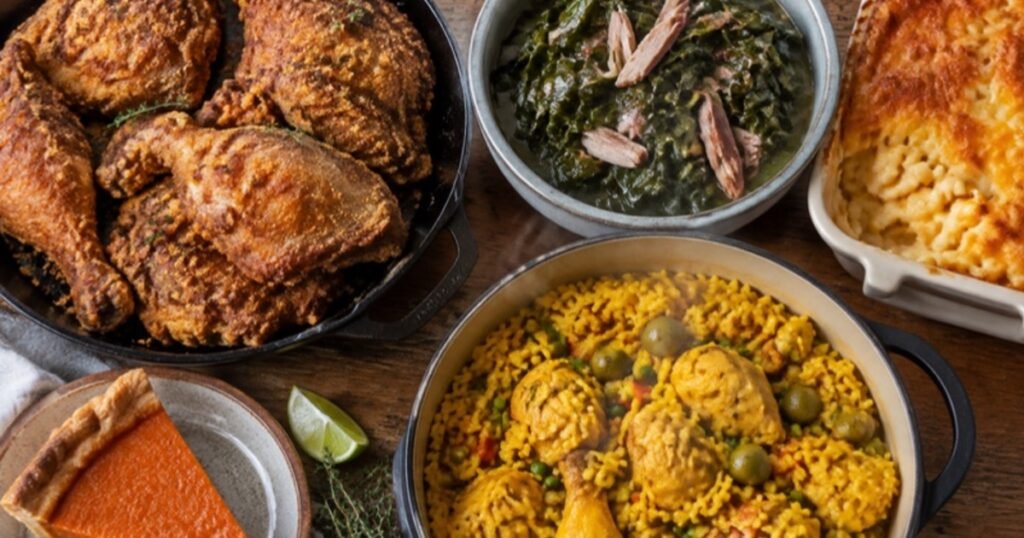
- Oven fried chicken with a cornmeal crust: crackly crust, no quart of oil. About 40g protein, 50 minutes.
- Butternut squash mac and cheese with sharp cheddar: real block cheese, squash in the sauce. About 26g protein, 40 minutes.
- Smoky collard greens with smoked turkey: the Sunday pot, turkey wing instead of fatback. About 14g protein, 1 hour.
- One-pot arroz con pollo with brown rice and sofrito: fresh sofrito, annatto for color. About 34g protein, 1 hour 25 minutes.
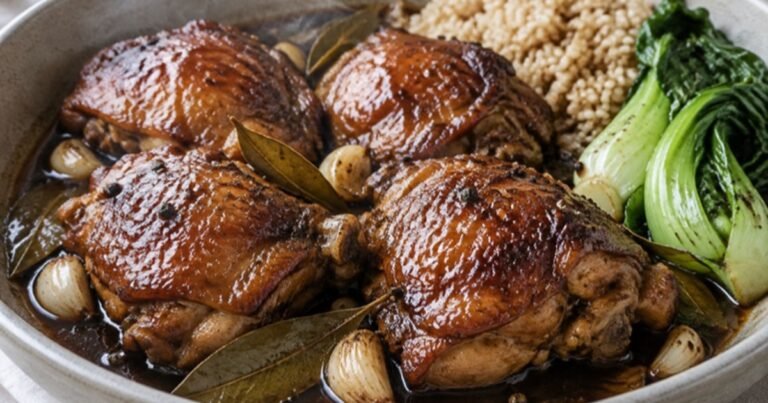
- Filipino chicken adobo with coconut aminos: a whole head of garlic, two thirds less sodium. About 38g protein, 1 hour.
- Trini curry channa with spinach and green seasoning: chickpeas, 12g fiber, Friday night in a bowl. About 13g protein, 35 minutes.
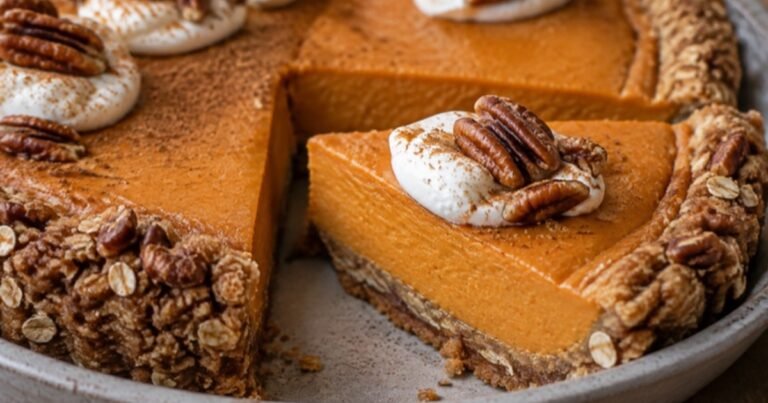
- Maple sweet potato pie with a pecan oat crust: the holiday pie with about half the sugar. About 15g sugar a slice, 20 minutes hands-on.
Want the rest of the table? The Jamaican rice and peas and the roasted garlic cauliflower potato mash round out a Sunday plate, and our comfort food swaps guide covers the rest of the casserole dish.
How to shop for it on a regular budget
Here’s the good news: heritage cooking is budget cooking. Dried beans, rice, chicken thighs, cabbage, onions, garlic, collards and sweet potatoes are some of the cheapest items in the store. So build your list around them, then spend the savings on the flavor makers: good olive oil, real block cheese, fresh herbs and a few whole spices.
Stock the pantry once and most dishes become possible on a Tuesday. Our healthy pantry staples list is the short version. Also, buy the smoked turkey wing, the plantains and the scotch bonnets from the international aisle or a local market, where they usually cost less.
What to say when the family pushes back
Someone will notice the brown rice, and someone will ask where the shortening went. Here’s the move: say nothing before dinner and let the food talk. So season generously, serve it hot, and plate it the way it has always been plated. Then, if anyone asks, tell them it is the way great-grandma made it, because it mostly is.
Also, change one thing at a time. Start with the oil, because nobody can taste that swap. Next week move the plate ratio. The week after, try the oven-fried version. Small shifts stick, and besides, they are a lot kinder than announcing a whole new diet at the Sunday table.
Frequently asked questions
Can you eat clean and still eat soul food or Caribbean food?
Yes. In fact, both cuisines are built on greens, beans, peas, root vegetables, fish, chicken and bold seasoning. Cook them at home with real fat, keep the starch to a scoop, and they fit a clean plate without changing the recipe names.
What is the easiest first step for how to eat clean?
Swap the cooking fat first. Then replace refined oils with extra virgin olive oil, avocado oil, butter or ghee in every recipe you already make. Nobody tastes the difference, and it touches every meal of the week.
Do I have to give up white rice to eat clean?
No. After all, white rice is a traditional staple in most of the world. Brown rice adds about five times the fiber, so rotate it in when you can, and otherwise keep the white rice to about a cup and fill the rest of the plate with beans and vegetables.
Is fried chicken ever clean?
Oven fried chicken with a cornmeal crust, cooked in a little avocado oil, gives you the crunch and the seasoning without the deep fryer. It is a real-food dinner with about 40 grams of protein.
Save this for the next Sunday dinner.
This article is for general information and is not medical or nutrition advice.
Free dinner list
The drained-day dinner list
Thirty dinners for your worst days, plus one new recipe every week. Free, and you can unsubscribe anytime.
Comment TIRED on any of our Instagram posts and we'll send it to you.