






Your hyper-independence isn’t strength. It’s a habit you can unlearn.
You handle it, host it and carry it, and you never ask. Here's why so many capable women can't accept help, what research says about asking, and small reps of receiving to try this week.

The short answer
Hyper independence is the habit of doing everything yourself, even when help is right there. It often starts as protection, and it gets praised as strength. However, it’s a learned pattern, not your personality. So you can unlearn it, one small ask at a time.
On this page
It’s the first week of December. You’re dragging a seven-foot tree up the porch steps by yourself, needles in your hair. A neighbor waves and calls out an offer to grab the other end. “All good, got it!” you say, before you’ve even thought about it. Then you spend ten more minutes wrestling it through the door alone.
Sound familiar? Hyper independence rarely looks like a problem. Instead, it looks like competence. You’re the one who handles it, hosts it, remembers it and carries it. And somewhere along the way, “she never needs anything” started to sound like a compliment.
What is hyper independence?
Hyper independence is self-reliance turned all the way up. Healthy independence says you can do things alone. This pattern says you must. So help starts to feel risky, even when it’s small and freely offered.
It isn’t a medical diagnosis. Rather, it’s a name for a pattern many women recognize right away. Here are some common signs:
- You say “no thanks, got it” before you’ve checked whether you do.
- You’d rather be exhausted than owe someone a favor.
- You feel uneasy when someone does something kind for you.
- You give generously, but receiving makes you squirm.
- Delegating feels harder than doing the task yourself.
- You keep your hard days private until they’re over.
Where the habit comes from
Nobody is born refusing help. Babies ask for everything, loudly. So the habit gets learned somewhere, and usually for good reasons.
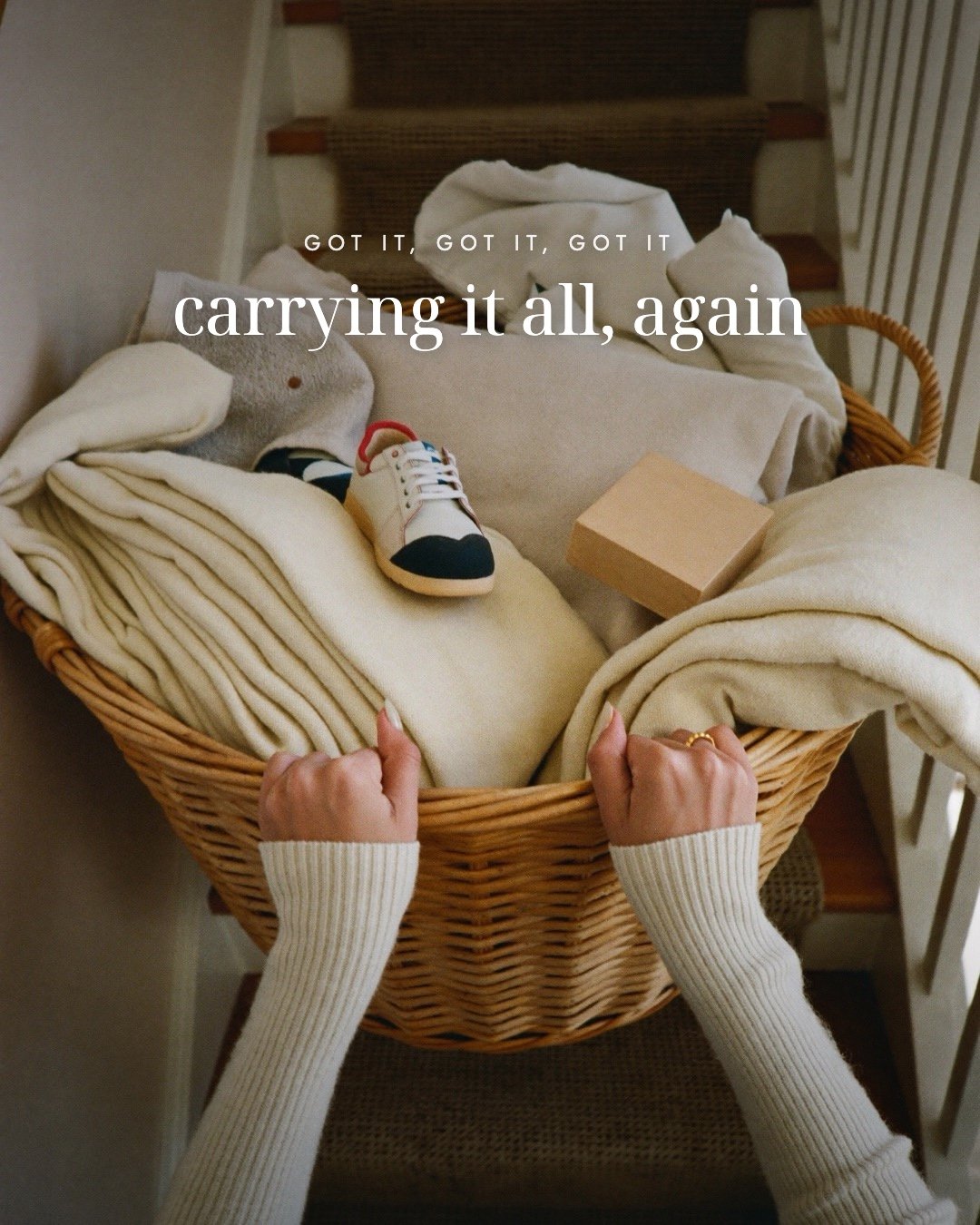
For example, maybe you were the responsible kid, the one adults leaned on. Or maybe you asked for help once and got let down, teased or handed a bill for it later. Meanwhile, many of us were praised for being “low maintenance” and “so mature.” Therapists often describe this kind of extreme self-reliance as a protective response: if you never need anyone, nobody can disappoint you.
Then culture finishes the job. We celebrate the woman who does it all and makes it look easy. As a result, needing nothing starts to feel like a virtue. But a strategy that protected you at twelve can quietly wear you out at thirty-eight.
How it shows up in friendship, love and motherhood
In friendship: you show up with soup, rides and long voice notes. However, when your own week falls apart, you go quiet. Friends can’t get close to someone who never needs them, and many of them would love the chance.
In love: you redo the dishwasher. You say everything is fine in a tone that means the opposite. Because you never ask, your partner never learns how to help, and then you resent carrying it all.
In motherhood: you turn down the meal train, the carpool and the offer to watch the baby. Also, you tell yourself everyone else is managing alone. They aren’t. They’re just quiet about who helps them.
What we get wrong about asking for help
Here’s the turn. Most of us assume that asking is a burden. Research says we have that backwards.
In 2022, researchers from Stanford and the University of Chicago ran six experiments on this, published in Psychological Science. In one, people in a public park asked strangers to take their photo. People asking for help consistently underestimated how willing others were to say yes. They also underestimated how good the helpers felt afterward, and they overestimated how bothered the helpers would be.
In other words, your ask is usually smaller to them than it feels to you. Plus, helping feels good. So when you refuse every offer, you aren’t sparing people. You’re taking away a small chance for them to matter to you.
There’s a bigger reason, too. A well-known review of 148 studies and more than 300,000 people linked stronger social relationships to a 50% greater likelihood of survival over the study periods. That research can’t prove cause. Still, it suggests connection isn’t a luxury. It’s part of how humans stay well.
The quiet cost of carrying it all
Strength is real. You’ve earned yours. However, strength with no receiving in it becomes lonely. You end up tired in a way sleep doesn’t fully reach, and surrounded by people who think you’re fine.

There’s also the resentment. It builds slowly, one unasked favor at a time. Then it comes out sideways, usually at whoever is closest. If that sounds like your December, our pieces on rest without guilt and holiday stress are good company.
Small reps of receiving: try this this week
You don’t unlearn hyper independence with one brave conversation. Instead, you build the muscle with small reps, like any other kind of strength. So pick two of these and try them before Sunday.
- Take the offer that’s already on the table. When someone offers to grab the other end, say yes. That’s the whole rep.
- Say “thank you” and stop. No “you didn’t have to,” and no instant payback. Just let it land.
- Make one tiny ask. Ask a friend for a recipe, a ride or a book pick. Keep it low stakes on purpose.
- Delegate one task and don’t redo it. The towels may be folded differently. Let them be.
- Answer “how are you?” honestly once. Try “honestly, a little stretched this week” with someone safe.
- Tell one person how to help. Be specific: “Could you take pickup on Thursday?” Specific asks are easier to say yes to.
- Notice the squirm. When receiving feels uncomfortable, name it and breathe. The discomfort is the habit loosening, not a sign you did something wrong.
Also, boundaries and asking are cousins. Both require saying a true thing out loud. So if “no” is hard for you too, read our guide to holiday boundaries next.
When to talk to someone
Sometimes this pattern runs deep, especially when it grew out of hard experiences. If letting people in brings up panic, or if you feel isolated most days, a licensed therapist can help you work through it at your own pace. That, too, is a rep of receiving.
Frequently asked questions
Is hyper independence a trauma response?
It can be. Many therapists describe it as a protective pattern that forms when relying on others felt unsafe or disappointing. However, it also grows from being praised for needing nothing. It isn’t a formal diagnosis.
What are the signs of hyper independence?
Common signs include turning down help by reflex, struggling to delegate, feeling uneasy when you receive, hiding hard days, and feeling resentful that you carry so much alone.
Is being independent a bad thing?
No. Independence is healthy and worth keeping. The trouble starts when you can’t accept help even when you want it or need it. The goal is choice, not dependence.
How do I start asking for help?
Start very small. First, accept offers people already make. Then make one low-stakes ask a week, and be specific about what you need. It gets easier with practice.
So here’s the reframe to carry into the week. You were never meant to be the whole village. You can keep your strength and still let someone grab the other end of the tree.
Save this for the next time “got it!” jumps out of your mouth.
This article is for general information and is not medical or nutrition advice.
Free dinner list
The drained-day dinner list
Thirty dinners for your worst days, plus one new recipe every week. Free, and you can unsubscribe anytime.
Comment TIRED on any of our Instagram posts and we'll send it to you.