




Told not to lift heavy the week before your period? A 2025 study found your muscles respond the same in every phase.
Your Pilates instructor swears by cycle syncing and you feel guilty lifting heavy before your period. Here's what the 2025 research found, plus a feel-first routine.
The short answer
Cycle syncing workouts means changing your exercise to match each phase of your menstrual cycle. It’s a lovely idea, but the research doesn’t back the rules. A 2025 study found your muscles respond to lifting the same way in different phases. So train when you feel good, and rest when you don’t.
On this page
This post has affiliate links. If you buy through them, Clean Fit Fab may earn a small commission at no extra cost to you.
It’s Thursday, 9:15 a.m. Class just ended, and your Pilates instructor mentions she never lifts heavy in her luteal phase. Meanwhile, you did a full strength session on day 24 last week, and it felt great. Now you’re wondering if you did something wrong.
You didn’t. First, wanting to work with your body instead of against it is a beautiful instinct. So this guide keeps that instinct and drops the guilt. It’s part of our gentle series on how to regulate your nervous system, because a workout plan should calm you, not stress you out.
What is cycle syncing?
Cycle syncing is the practice of matching your food, workouts and even your calendar to the four phases of your cycle. The Cleveland Clinic describes it as adjusting your routines to those phases. For workouts, the usual script looks like this:

- Menstrual phase (your period): rest, walking, gentle yoga.
- Follicular phase (after your period): cardio and heavier strength work.
- Ovulatory phase (mid-cycle): your hardest, highest-energy sessions.
- Luteal phase (the week or two before your period): Pilates, lighter weights, more rest.
The idea is that estrogen and progesterone rise and fall, so your training should rise and fall too. It sounds logical. However, sounding logical and being proven are different things.
What the research actually says about cycle syncing workouts
Let’s be honest about what’s known as of 2026, what’s hype and what’s still unclear.
- Muscle response looks the same across phases. In a 2025 study in The Journal of Physiology, researchers had 12 healthy young women do heavy leg exercise in the late follicular phase and again in the mid-luteal phase. Phases were confirmed with blood tests and ovulation kits. Muscle protein synthesis rose after lifting both times, with no difference between phases.
- Reviews don’t support phase rules. A 2023 umbrella review looked at the published meta-analyses and concluded it’s premature to say that short-term hormone shifts meaningfully change strength performance or training results.
- Any dip is tiny. A 2020 meta-analysis of 78 studies found performance might be reduced by a trivial amount during the early days of a period. The authors rated the evidence as low quality, and they recommended a personal approach instead of general rules.
- What’s hype: claims that lifting in your luteal phase “spikes cortisol,” stalls results or harms your hormones. Current studies don’t show that.
One fair caveat: the 2025 study was small, and it measured a short window after exercise. So science isn’t finished here. Still, the best evidence we have doesn’t support strict cycle syncing workouts.
Should you change your workouts based on your menstrual cycle?
Change them based on how you feel, not on what day it is. That’s the real takeaway, and it’s a freeing one.
Some women feel strong on their period and flat mid-cycle. Others feel the opposite. Your sleep, stress, food and toddler’s 3 a.m. wake-up matter too, often more than the phase. In fact, if you tend to lie awake the week before your period, that tired feeling in the gym may be about premenstrual sleep, not weak muscles.
So you are allowed to lift heavy on day 24. You are also allowed to swap the barbell for a walk on day 2. Both are listening to your body. Neither needs a chart’s permission.
How to work out with your cycle, minus the rules
Here’s a feel-first routine many women find easier to keep than a color-coded phase plan.
1. Keep one steady weekly baseline
First, plan the same simple week all month: two or three strength sessions, daily walking and one thing you love. Our guide to strength training for women lays out a beginner week. Consistency does more for you than perfect timing.
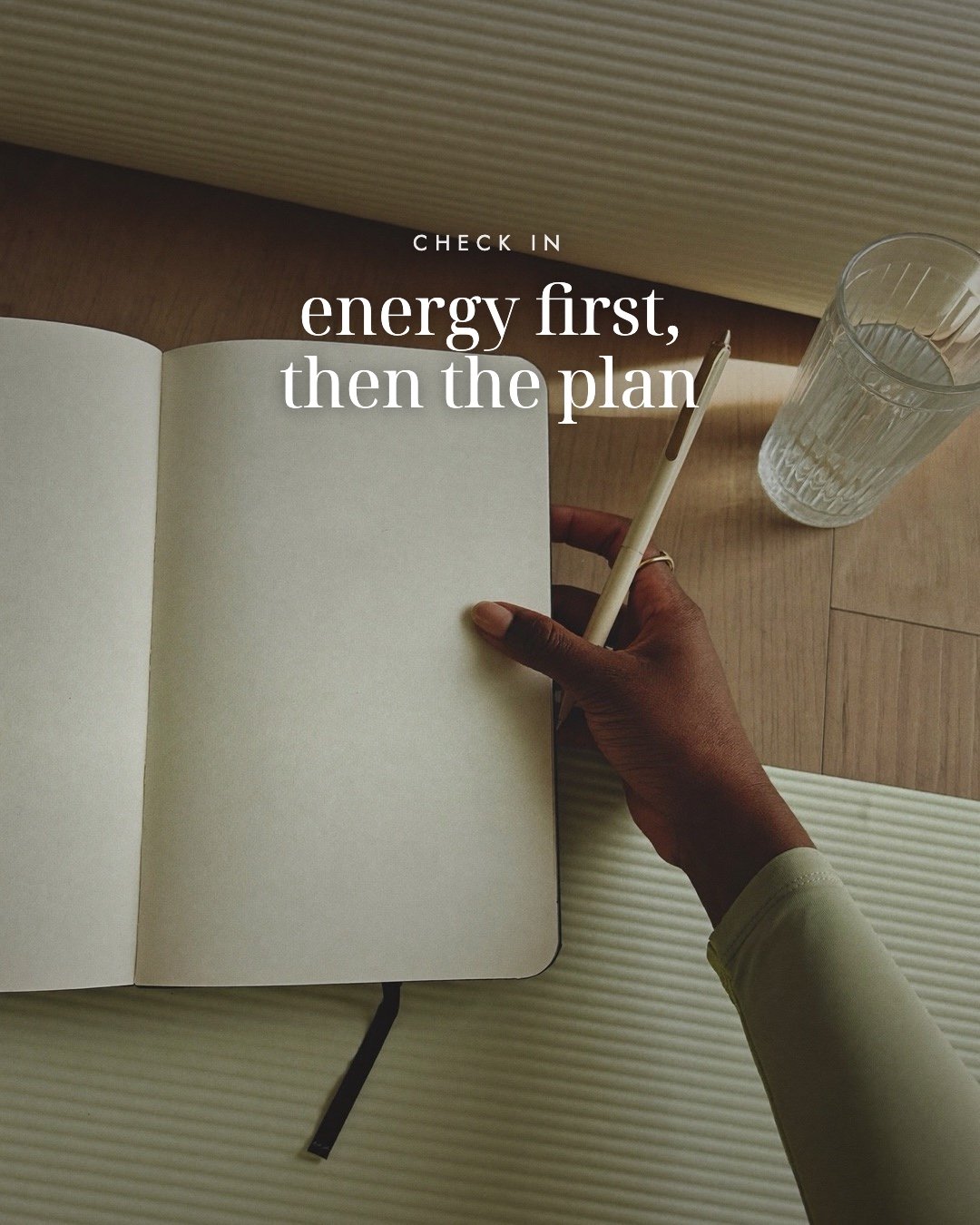
2. Do a 30-second check-in before each workout
Next, ask three questions before you start. How did you sleep? How’s your energy, from 1 to 5? Any cramps or pain? Then pick your day:
- Green day (4 to 5): do the planned workout, and add weight if it feels easy.
- Yellow day (3): do the workout, but drop the weight or cut one set.
- Red day (1 to 2): walk, stretch or rest. It still counts.
3. Track your own pattern for two cycles
Then jot down your energy number next to your cycle day in a notes app or a paper journal. After two cycles, you may see your own rhythm. For example, you might always feel flat on day 1 and powerful on day 8. That’s useful, because it’s your data instead of a template.
4. Warm up longer on low days
Also, give yourself 10 easy minutes before you decide to skip. Light movement often lifts your mood once you start. A set of light resistance loop bands makes a gentle warm-up or a full yellow-day session at home.
5. Let rest be part of the plan
Finally, schedule at least one full rest day a week, in every phase. If stopping makes you feel guilty, read our piece on how to rest without guilt. Rest is where your body adapts.
Period-week comfort tips that actually feel good
Even without phase rules, period week can be uncomfortable. So here are small comforts worth saving.
- Use heat. Many women find warmth on the lower belly soothing. A wearable heating pad lets you move around the house with it.
- Keep moving gently. The U.S. Office on Women’s Health says exercising during your period is fine, and it may ease cramps for some women. A slow walk counts.
- Drink water and eat regular meals. Skipping meals can make a low-energy day feel worse.
- Wear what feels good. Soft high-waist leggings, a loose top and your favorite socks are a valid workout uniform.
- Ask about supplements first. Magnesium is popular for period week. However, talk to your doctor before starting it, especially if you’re pregnant, breastfeeding or on medication, and look for a USP or NSF seal.
If pain or heavy bleeding regularly keeps you home from work or the gym, that’s worth a visit with your doctor. You don’t have to push through it.
The luteal-week craving plate
The week before your period, the chocolate craving shows up right on time. So answer it with a plate instead of a pantry raid. Our luteal phase snack plate has dark chocolate, almond butter stuffed dates with flaky salt, cinnamon Greek yogurt and toasted pumpkin seeds. It takes 5 minutes and has about 18 grams of protein.
To be clear, no food or seed mix balances anything. It’s simply a satisfying plate that helps you feel fed after a workout or before bed. Pair it with a mug of luteal phase magnesium cocoa on a slow night.
Frequently asked questions
Does cycle syncing your workouts actually work?
There is no strong evidence that matching workouts to cycle phases builds more muscle or fitness. A 2025 study in The Journal of Physiology found no difference in how muscle responded to lifting in two different phases. However, adjusting to how you feel on a given day is always reasonable.
Is it okay to lift heavy in your luteal phase?
Yes, if you feel good. Current research doesn’t show that lifting in the luteal phase is harmful or less effective. If you feel tired, crampy or off, go lighter. That’s a feeling-based choice, not a rule.
Should you work out on your period?
You can. The U.S. Office on Women’s Health says exercising during your period is fine and may ease cramps for some women. Also, rest is fine if that’s what your body asks for.
What is the best workout for each cycle phase?
Research doesn’t support one best workout for each phase. A steady weekly mix of strength, walking and something you enjoy, adjusted by how you feel, is a simple plan most women can keep.
When should I talk to a doctor about my cycle and exercise?
Check in if your periods become irregular or stop, if pain or heavy bleeding keeps you from daily life, or if you feel wiped out for weeks. Missed periods with hard training deserve a visit.
The bottom line
Your body is not a schedule to obey. In short, cycle syncing workouts are optional, and the research so far says your muscles respond well in every phase. So keep a steady week, check in with yourself, and trust what you feel. That’s the most in-sync thing you can do.
Save this for the next time a chart makes you doubt a good workout. Comment or message CYCLE and we’ll send you the feel-first cycle workout guide.
This article is for general information and is not medical or nutrition advice.
Free dinner list
The drained-day dinner list
Thirty dinners for your worst days, plus one new recipe every week. Free, and you can unsubscribe anytime.
Comment TIRED on any of our Instagram posts and we'll send it to you.